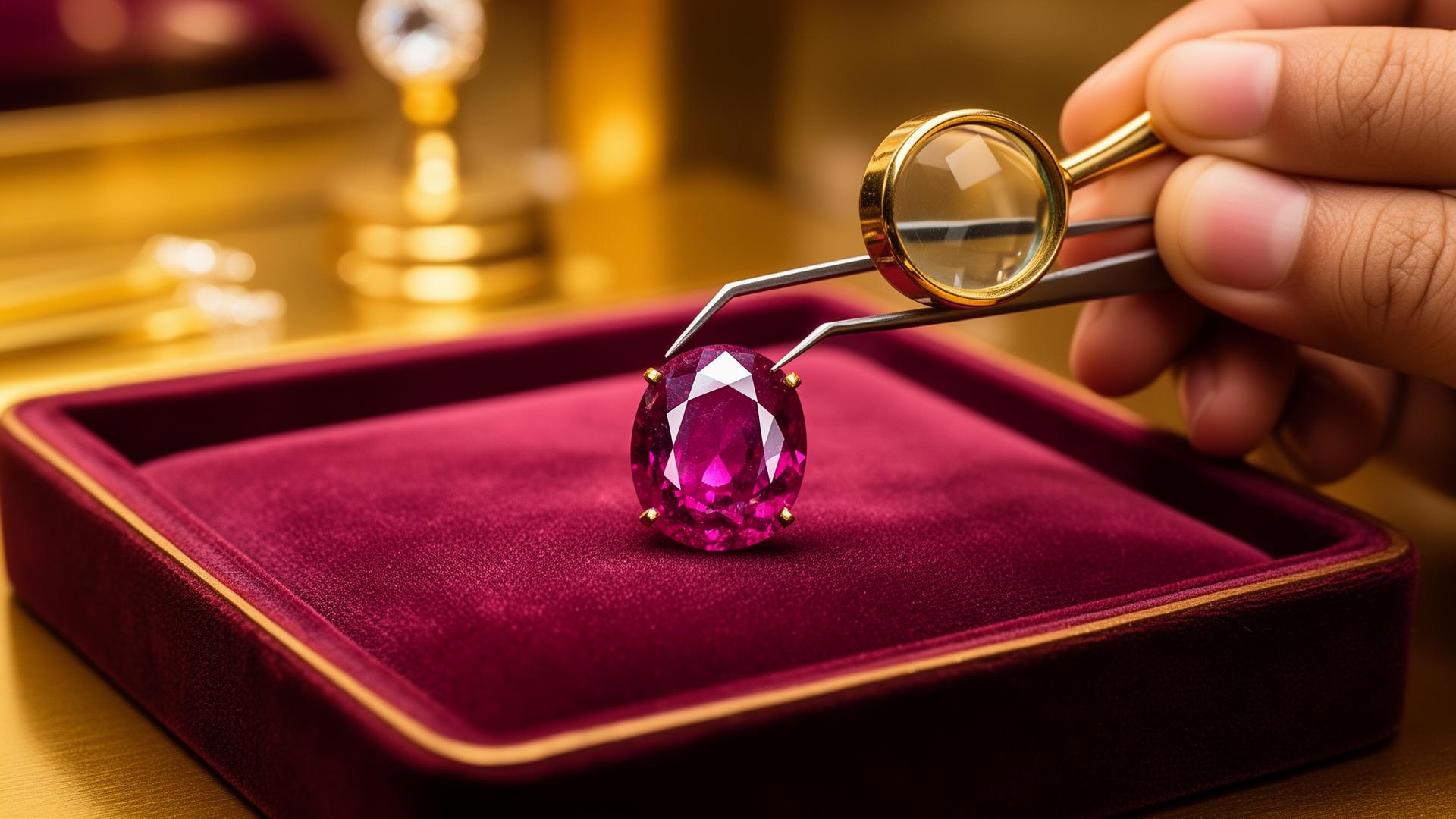
Buying alexandrite is a pursuit for the passionate collector — this is one of the rarest and most extraordinary gemstones on Earth. A fine alexandrite shows a dramatic color change from green in daylight to red under incandescent light. But the rarity means navigating a market where synthetics are common, prices are steep, and expertise is essential. This guide will prepare you to buy alexandrite with confidence.
Evaluating Color Change
The strength of color change is THE value factor in alexandrite. You must see the stone under both daylight and incandescent light to evaluate it properly. The finest stones change from vivid bluish-green to vivid purplish-red — a complete, unambiguous shift. Partial changers (brownish-green to brownish-red) are significantly less valuable. When shopping, bring a penlight or candle to create incandescent conditions if viewing in a daylight-lit space. GemstoneAI allows you to photograph your alexandrite under different lighting and compare the color change digitally.

Avoiding Synthetics and Simulants
The alexandrite market is rife with synthetics and simulants sold as natural. Czochralski-pulled synthetic alexandrite shows excellent color change but costs $5-$50/ct vs. $5,000-$100,000/ct for natural. Color-change sapphire is sometimes misrepresented as alexandrite. Color-change garnet shows a different spectrum shift. Always insist on a lab report from GIA, Gübelin, or SSEF confirming natural origin. Be extremely skeptical of large (2ct+) alexandrite at prices below $5,000/ct — at those prices, it's almost certainly synthetic. Run any potential purchase through GemstoneAI for a quick pre-screening.
- Always require independent lab certification — no exceptions for alexandrite
- Be skeptical of 'bargain' alexandrites — natural stones are genuinely rare
- Czochralski synthetics show excellent change but are worth 0.1% of natural prices
- Color-change sapphire is a common substitute — different change spectrum
- Buy from dealers who specialize in rare colored gemstones
Size and Budget Reality
Fine natural alexandrite over 1 carat is rare. Over 3 carats is extremely rare. Over 5 carats is museum-quality. Budget accordingly: 0.3-0.5ct stones with moderate color change start around $1,000-$3,000 total. A 1ct stone with good change from a reputable dealer will likely cost $5,000-$15,000. For 3ct+ with strong change, prepare for $30,000-$100,000+. If your budget is under $1,000, consider a fine lab-grown alexandrite for the experience of the color change, but don't confuse it with an investment in natural stones.
Alexandrite Buying Checklist
- 1View under BOTH daylight and incandescent light — evaluate full color change
- 2Require lab certification from GIA, Gübelin, or SSEF — mandatory for alexandrite
- 3Set realistic budget expectations based on extreme rarity
- 4Buy from specialists in rare colored gemstones
- 5Be extremely skeptical of large alexandrites at 'affordable' prices
- 6Consider origin (Russian commands highest premiums, Brazilian is best value)
- 7Inspect under magnification for natural vs synthetic growth features
- 8Ensure return policy allows time for independent verification
Verify Before You Buy
Scan any alexandrite with GemstoneAI before purchasing. Get instant identification and quality assessment.
Try GemstoneAI Free