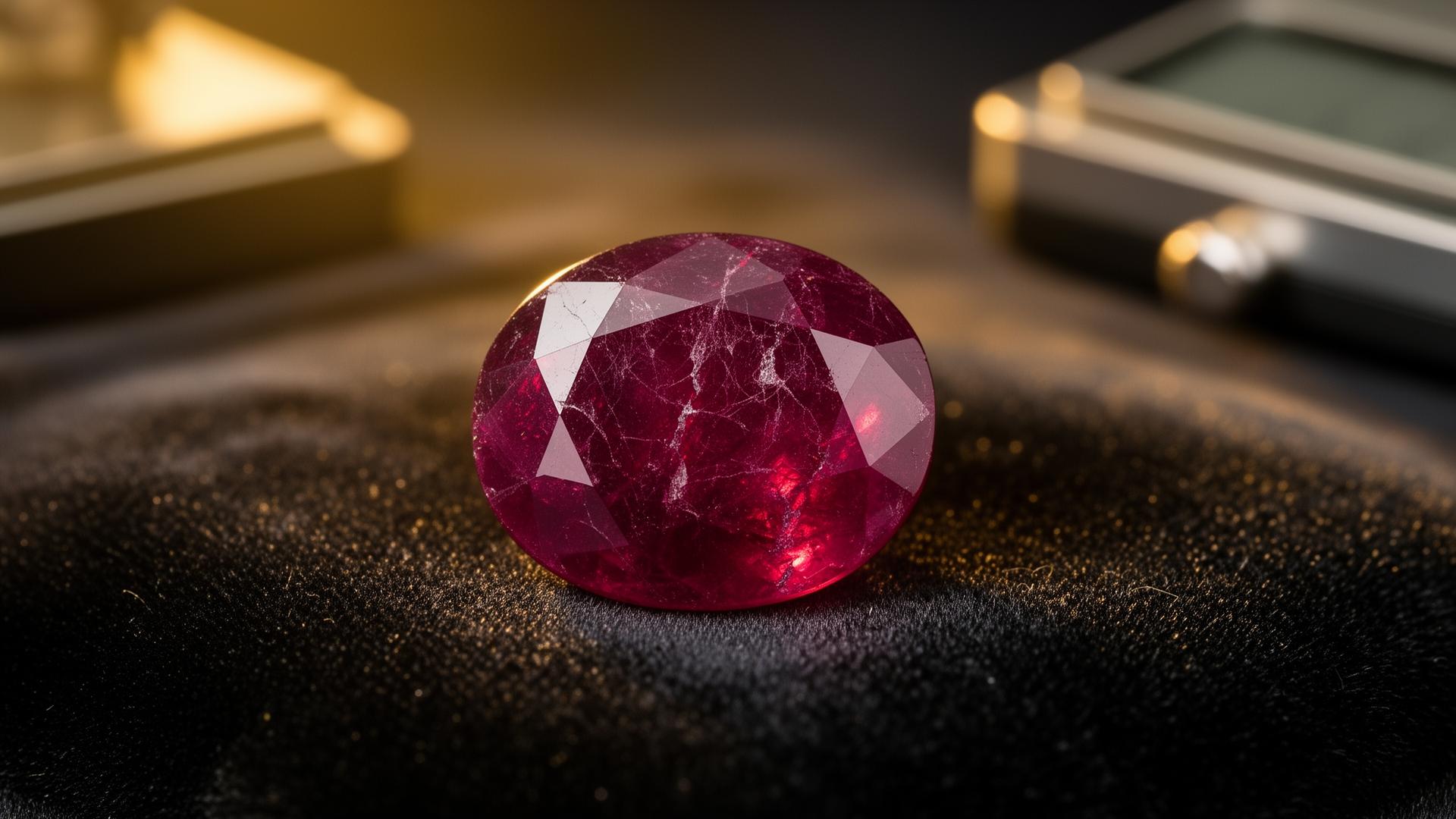
Emeralds are unique among precious gemstones — their value equation differs fundamentally from diamonds, rubies, or sapphires. Inclusions are not just tolerated but expected, color trumps clarity to an extreme degree, and enhancement level dramatically affects pricing. A fine Colombian emerald can trade for $50,000+ per carat while a similar-looking stone with heavy oil treatment might sell for a fraction. Understanding these nuances is essential for anyone buying, selling, or appraising emeralds.
Emerald Price Chart
| Quality | Price/Carat | Notes |
|---|---|---|
| Commercial (heavily oiled, opaque) | $30–$200 | Mass market grade |
| Good (moderate oil, translucent) | $200–$2,000 | Retail jewelry grade |
| Fine (minor oil, good color) | $2,000–$15,000 | High-end jewelry |
| Exceptional (no/insignificant oil, vivid) | $15,000–$60,000 | Collector grade |
| Museum (untreated, Colombian, 5ct+) | $60,000–$300,000+ | Auction-level |
Why Emerald Pricing Is Unique
Unlike diamonds where clarity is paramount, emerald pricing is overwhelmingly driven by color. The trade accepts significant inclusions (called 'jardin' or garden) as a natural characteristic. The ideal color is a vivid, slightly bluish-green with medium-dark tone and strong saturation — not too yellow, not too blue, and definitely not too dark. An emerald with perfect color but moderate inclusions will always outsell a clean stone with mediocre color. This is why photo-based valuation tools like GemstoneAI are particularly useful for emeralds — color assessment from images is highly informative for initial pricing.

Colombian vs Zambian Emerald Prices
Origin creates significant price differentials in the emerald market. Colombian emeralds from Muzo, Chivor, and Coscuez mines are traditionally the most valued, known for their warm, slightly yellowish-green color and exceptional saturation. Zambian emeralds (primarily from Kagem mine) tend toward a cooler, bluish-green and often have better clarity. While Colombian stones command origin premiums of 20-50%, fine Zambian emeralds represent excellent value. Ethiopian emeralds have entered the market more recently and offer attractive prices, though questions about long-term stability remain.
- Colombian (Muzo/Chivor): $5,000–$50,000+/ct for fine quality — warm green, highest prestige
- Zambian (Kagem): $2,000–$20,000/ct for fine quality — cooler green, better clarity
- Brazilian: $500–$5,000/ct — variable quality, good value options
- Ethiopian: $300–$3,000/ct — newer source, vivid color, competitive pricing
- Afghan/Pakistani: $500–$8,000/ct — fine material available, less market recognition
Clarity Enhancement and Price Impact
Nearly all emeralds undergo some form of clarity enhancement, typically oiling with cedar oil or synthetic resin. The degree of enhancement dramatically affects value. The Gübelin and SSEF labs grade enhancement as None, Insignificant, Minor, Moderate, or Significant. A stone graded 'None' (no oil) commands 3-10x premiums over 'Moderate' enhancement. 'Insignificant' enhancement is considered excellent and commands strong premiums. Cedar oil is preferred over synthetic resin as it's considered more traditional and less intrusive. Always insist on a lab report that specifies enhancement level.
Size and Rarity Premiums
Fine emeralds over 3 carats are significantly rarer than comparable rubies or sapphires, and prices reflect this scarcity. The price-per-carat curve is steep: a 1-carat fine Colombian emerald might sell for $5,000-$10,000/ct, while a 5-carat stone of comparable quality could reach $20,000-$50,000/ct. At auction, exceptional emeralds over 10 carats have sold for over $300,000 per carat. For the best value, consider stones in the 1-3 carat range where selection is broadest and prices per carat are most reasonable.
Emerald Market Outlook
The emerald market has shown strong growth, with fine untreated Colombian stones appreciating 6-10% annually. Zambian emeralds have gained significant market acceptance and represent a growing share of the high-end market. Lab-grown emeralds are available but have had limited impact on natural prices, as the market strongly favors natural stones with provenance. Supply from major Colombian mines has tightened, supporting price growth. The trend toward colored gemstone engagement rings has also boosted retail demand for emeralds.
Get an Instant Emerald Valuation
Upload a photo and let GemstoneAI estimate your emerald's value using AI-powered analysis.
Try GemstoneAI Free