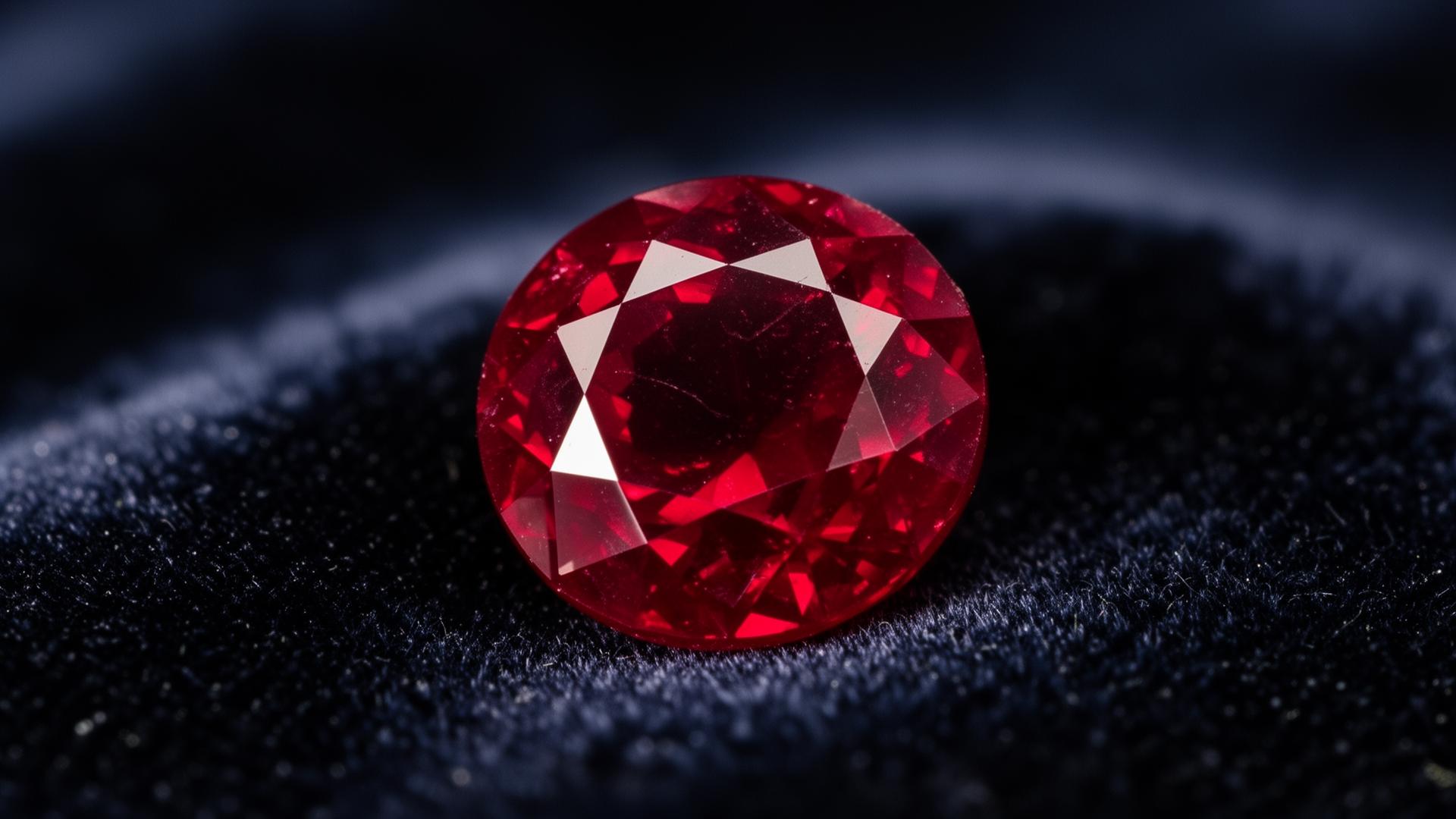
Tourmaline is the most colorful of all gemstone families, occurring in virtually every color of the spectrum — sometimes multiple colors in a single crystal. From the electric neon blue of Paraíba tourmaline to the rich pink of rubellite, this boron silicate mineral offers incredible diversity. With such a broad range, knowing how to identify and evaluate different tourmaline varieties is essential whether you're a collector building a rainbow suite or a buyer seeking a specific high-value variety like Paraíba.
Quick Facts: Tourmaline
The Rainbow of Tourmaline Varieties
Tourmaline's incredible color range is due to its complex chemistry, which can incorporate many different elements. Key varieties include rubellite (pink to red, colored by manganese and lithium), indicolite (blue, colored by iron), chrome tourmaline (intense green, colored by chromium and vanadium — found primarily in East Africa), Paraíba tourmaline (neon blue-green, colored by copper — originally from Brazil, now also Mozambique and Nigeria), watermelon tourmaline (pink center with green rim), and dravite (brown). Each variety has its own market and value factors.

Identifying Natural Tourmaline
Several properties help confirm a tourmaline identification:
- Strong pleochroism — tourmaline shows noticeably different colors from different directions; dark from one axis, lighter from another
- Concentric color zoning — visible growth zones following the triangular cross-section of the crystal
- Liquid/gas inclusions — thread-like hollow tubes (called 'trichites') are characteristic
- Moderate hardness — 7–7.5 Mohs; harder than glass but softer than sapphire
- Refractive index — 1.624–1.644 (varies by variety); distinctive from look-alikes

Paraíba Tourmaline: The Crown Jewel
Paraíba tourmaline deserves special attention as the most valuable variety, regularly selling for $10,000–$50,000+ per carat for fine specimens. Genuine Paraíba is colored by copper (and sometimes manganese), creating an electric 'neon' blue-green unlike any other gemstone. Identification requires chemical analysis — specifically, copper content must be confirmed via spectroscopy. Many stones sold as 'Paraíba-type' are simply blue tourmalines without copper. Brazilian Paraíba is the most valuable, followed by Mozambique and Nigerian material. GemstoneAI's identification system can recognize the distinctive neon quality of Paraíba-colored stones, though confirming copper content still requires laboratory analysis.
Treatments in Tourmaline
Heat treatment is common in tourmaline, particularly for pink and red stones, to lighten overly dark tones or improve color saturation. Irradiation can deepen color in pink stones. These treatments are generally accepted in the trade. Coating is occasionally used to create temporary Paraíba-like colors — these can be detected by examining facet edges for color buildup or wear. Clarity enhancement (filling) is less common in tourmaline than in emeralds but does occur. Always ask about treatment status, especially for high-value Paraíba or rubellite specimens.
Common Look-Alikes and Confusion
Tourmaline's wide color range means it can be confused with many other gems:
- Green tourmaline vs. emerald — tourmaline lacks emerald's characteristic inclusions and has different RI
- Rubellite vs. ruby — rubellite is doubly refractive while ruby shows characteristic fluorescence
- Blue tourmaline vs. sapphire — significantly different hardness (7 vs 9) and refractive index
- Chrome tourmaline vs. tsavorite — both are vivid green, but tourmaline shows stronger pleochroism
- Pink tourmaline vs. pink sapphire — hardness test and RI measurement distinguish them clearly
Buying and Collecting Tips
When purchasing tourmaline, color is king — the most vivid, saturated colors command the highest prices regardless of variety. Eye-clean clarity is the standard; tourmaline is generally cleaner than emerald but more included than sapphire. Well-cut stones that maximize face-up color are worth a premium. For investment-grade purchases, focus on Paraíba (with copper confirmed by lab report), fine rubellite over 5 carats, or exceptional bi-color/watermelon specimens. Always obtain lab certification for Paraíba claims.
Identify Your Tourmaline Instantly
Skip the guesswork. Use GemstoneAI's advanced image recognition to authenticate your tourmaline in seconds.
Try GemstoneAI Free