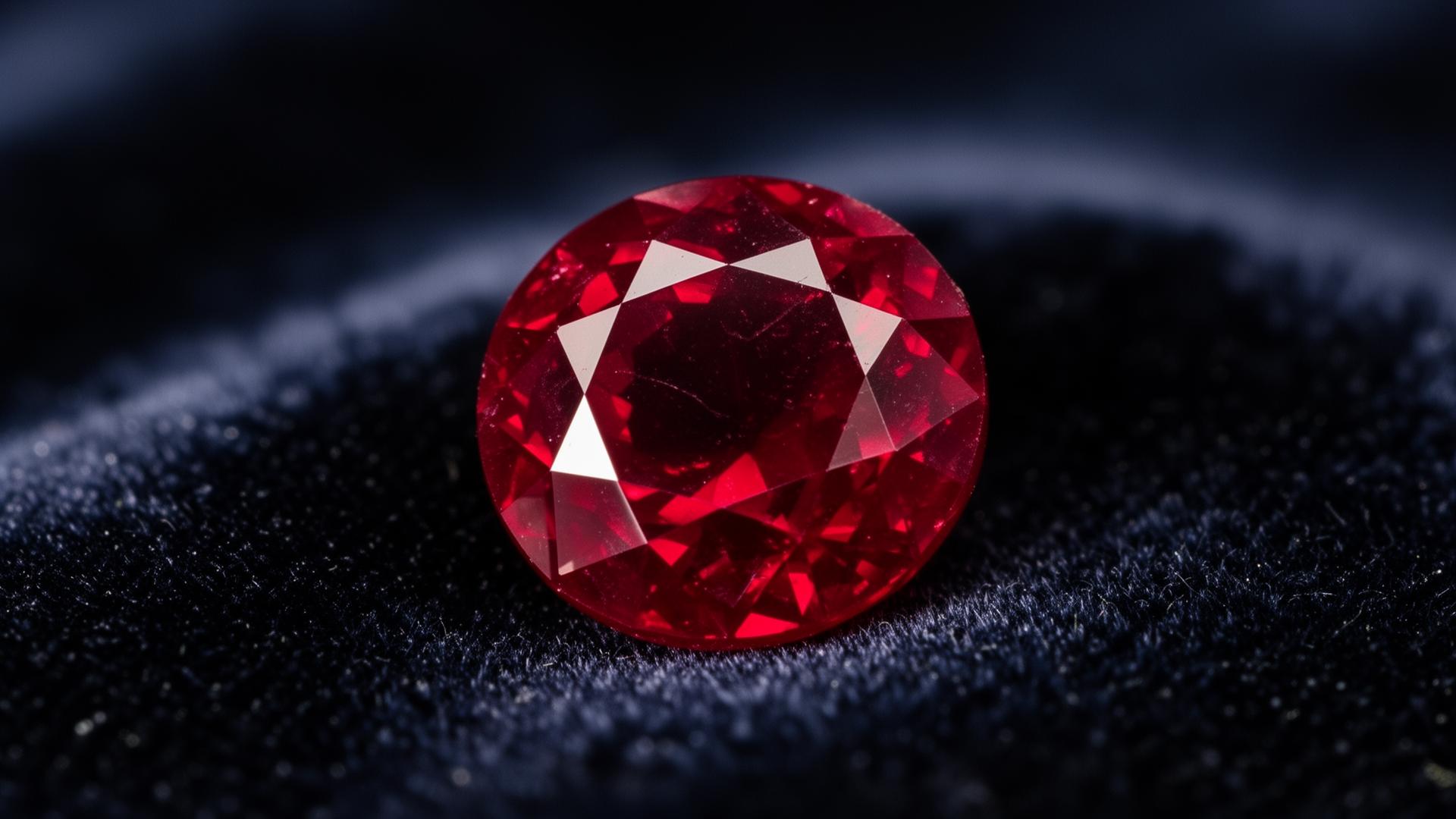
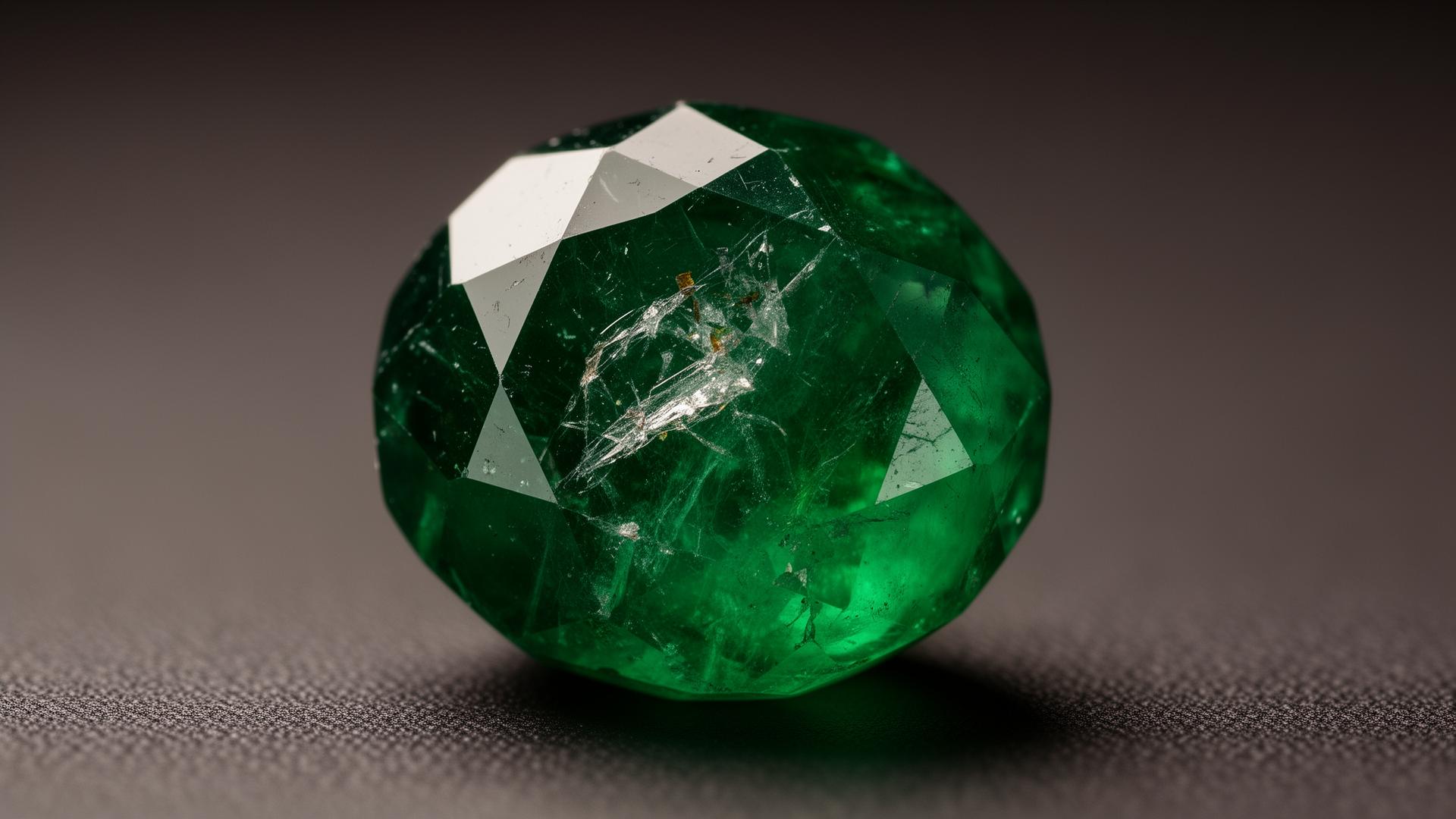
Alexandrite is the chameleon of the gemstone world — green in daylight, red under incandescent light. Discovered in Russia's Ural Mountains in the 1830s, this color-change variety of chrysoberyl is one of the rarest and most valuable gemstones in existence. True alexandrites with strong color change regularly sell for more per carat than diamonds, rubies, or emeralds. With prices this high, the market is rife with imitations. This guide will help you distinguish the real deal from the many pretenders.
Quick Facts: Alexandrite
The Alexandrite Color-Change Effect
Alexandrite's color change is caused by the way chromium absorbs light. In daylight (which is rich in blue/green wavelengths), alexandrite appears green to bluish-green. Under incandescent light (rich in red wavelengths), it shifts to raspberry red, purplish-red, or brownish-red. The strength and completeness of this color change is the primary value factor. The finest alexandrites show a vivid green-to-red change (sometimes described as 'emerald by day, ruby by night'). Partial or weak color change — shifting only from brownish-green to brownish-red — is far more common and less valuable.

Recognizing Natural Alexandrite Inclusions
Natural alexandrites contain characteristic inclusions that help distinguish them from synthetics:
- Silk — fine needle-like inclusions of rutile, similar to those in corundum
- Fingerprint inclusions — healed fractures with fluid-filled planes
- Crystal inclusions — tiny crystals of mica, apatite, or other minerals
- Growth tubes — parallel tubes following crystallographic directions
- Twinning — repeated twinning planes visible as parallel lines

Synthetic Alexandrite Detection
Several types of synthetic alexandrite exist, and some are very convincing. Czochralski-pulled synthetic alexandrite shows strong color change and is the most common lab-grown version — look for curved striae and gas bubbles under magnification. Flux-grown synthetics can be very challenging to identify without advanced testing, as they may contain flux inclusions that resemble natural features. Hydrothermal synthetics show chevron-like growth patterns. Color-change synthetic corundum (sold as 'synthetic alexandrite') is not true alexandrite at all — it shows a different color change range (blue-gray to purple rather than green to red).
Common Alexandrite Simulants
Due to alexandrite's high value, several simulants are commonly encountered:
- Color-change synthetic corundum — the most common fake, shows blue-to-purple change rather than green-to-red
- Color-change garnet — some natural garnets show color change, but typically blue-green to purple
- Color-change synthetic spinel — shows grayish-green to reddish-purple; less convincing color change
- Simulated alexandrite glass — no real color change, just appears different in varied lighting due to mixed colorants
- Lab-grown chrysoberyl — true synthetic alexandrite; chemically identical but detectable with advanced testing
Origin and Rarity
The original source in Russia's Ural Mountains is largely depleted, making Russian alexandrites extremely rare and valuable. Brazil produces stones with good color change but typically in smaller sizes. Sri Lanka yields larger stones but often with less dramatic color change and a brownish tone. India (Andhra Pradesh) has emerged as a source of fine small stones. East Africa produces occasional specimens. The finest alexandrites over 5 carats with strong color change are extraordinarily rare and can command prices exceeding $70,000 per carat.
Professional Authentication
Due to alexandrite's extreme value, professional laboratory certification is essential for any significant purchase. A reputable lab will use spectroscopy to confirm the chrysoberyl identity and chromium coloration, advanced microscopy to distinguish natural from synthetic growth features, and origin determination when possible. Insist on reports from GIA, Gübelin, SSEF, or AGL. Be extremely skeptical of 'alexandrite' sold without lab certification, especially at prices that seem too affordable — genuine alexandrite is never cheap. For preliminary screening, GemstoneAI can help identify whether a color-change stone warrants the investment in full laboratory testing.
Identify Your Alexandrite Instantly
Skip the guesswork. Use GemstoneAI's advanced image recognition to authenticate your alexandrite in seconds.
Try GemstoneAI Free