Diamonds are the most standardized gemstone market thanks to the 4Cs grading system, yet prices still confuse buyers. A 1-carat diamond can cost $1,500 or $25,000 depending on quality — and the lab-grown revolution has added another layer of complexity. This guide demystifies diamond pricing, explains how each quality factor impacts cost, and helps you find the sweet spot between quality and value.
Diamond Price Chart
| Quality | Price/Carat | Notes |
|---|---|---|
| 1ct, K-L, SI2-I1, Good cut | $1,500–$3,000 | Budget tier |
| 1ct, G-H, VS2-SI1, Very Good | $4,000–$7,000 | Best value tier |
| 1ct, D-F, VVS-VS1, Excellent | $8,000–$15,000 | Premium tier |
| 1ct, D-E, IF-FL, Excellent | $15,000–$25,000 | Top tier natural |
| 1ct, Lab-grown, G, VS2, Excellent | $800–$1,500 | Lab-grown equivalent |
The 4Cs and Their Price Impact
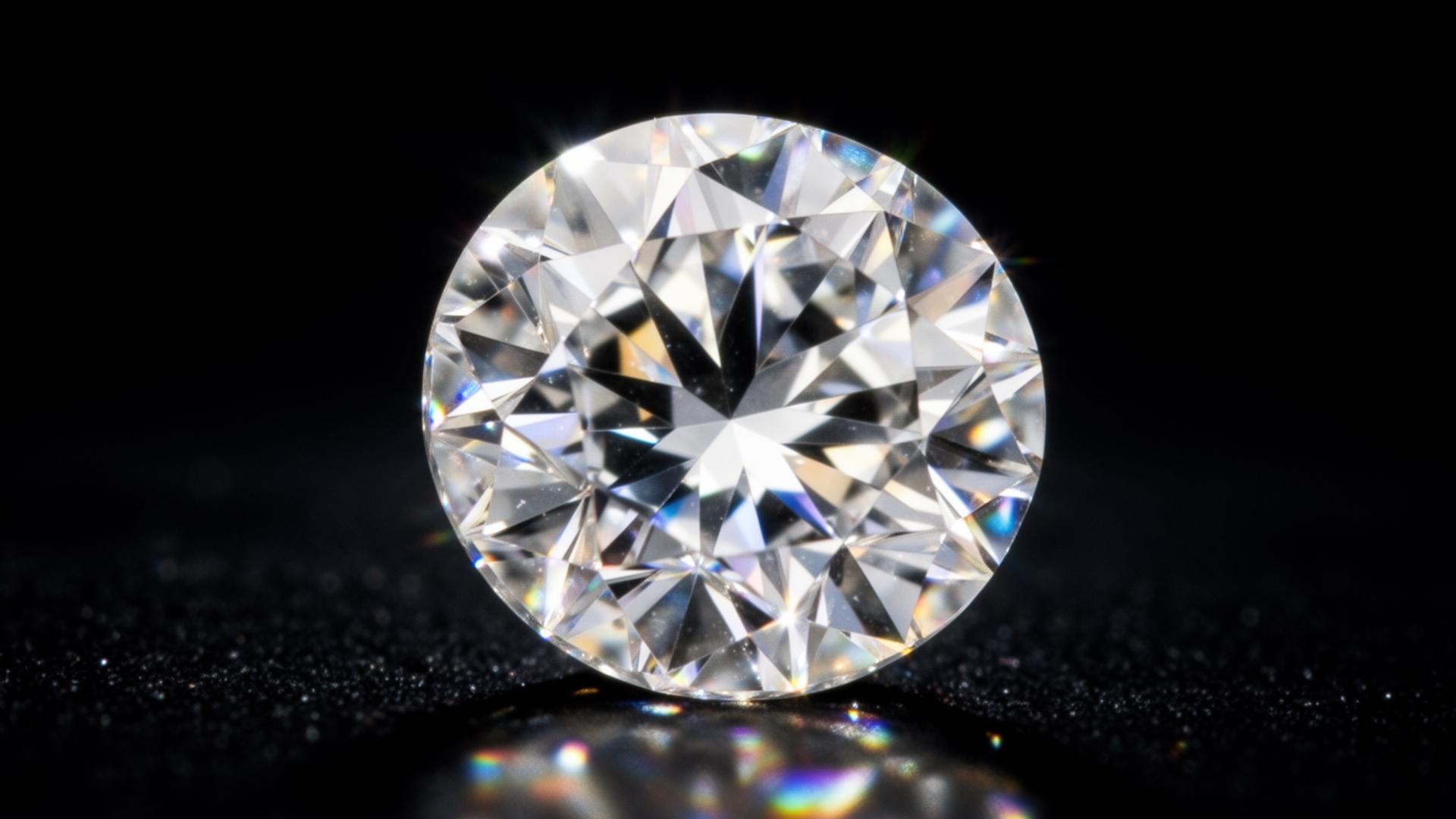
Diamond pricing follows the GIA's 4Cs framework — Cut, Color, Clarity, and Carat weight — but not all Cs are created equal. Cut quality has the greatest impact on a diamond's beauty and should never be compromised. Color grades from D (colorless) to Z (light yellow) create a smooth price gradient, but the differences between adjacent grades are often invisible to the naked eye. Clarity grades from FL (flawless) to I3 (heavily included) matter most at the extremes. Smart buyers target 'eye-clean' stones (typically VS2-SI1) for the best value. GemstoneAI can help you quickly assess a diamond's visual quality from photos.
Natural vs Lab-Grown Diamond Prices
Lab-grown diamonds have dramatically altered the diamond market. In 2025, lab-grown diamonds typically sell for 70-85% less than natural diamonds of comparable quality. A 1-carat lab-grown diamond that would cost $5,000-$8,000 as a natural stone can be purchased for $800-$1,500. However, lab-grown prices have been declining steadily as production capacity increases, while natural diamond prices have remained more stable. For engagement rings where emotional value matters, the choice between natural and lab-grown often comes down to personal values rather than pure economics.
- 1-carat natural (G, VS2, Excellent): $5,000–$8,000
- 1-carat lab-grown (G, VS2, Excellent): $800–$1,500
- 2-carat natural (G, VS2, Excellent): $15,000–$25,000
- 2-carat lab-grown (G, VS2, Excellent): $1,500–$3,000
- Lab-grown prices declining 20-30% annually as production scales
Smart Diamond Buying: Where to Save
Understanding price thresholds allows savvy buyers to maximize value. Prices jump at full carat marks — a 0.90ct diamond can cost 15-20% less than a 1.00ct of the same quality while looking virtually identical. Color grades G-H face up colorless in most settings and save 20-30% over D-E. SI1 clarity is usually eye-clean and saves 30-40% over VS1. Always prioritize cut quality (Excellent or Ideal) — a well-cut H/SI1 will outperform a poorly cut D/IF in real-world beauty. GemstoneAI's comparison tools can help you evaluate visual differences between grade combinations.
Fancy Color Diamond Pricing
Fancy color diamonds operate in an entirely different pricing universe. Natural fancy vivid yellow diamonds start around $5,000/ct. Fancy intense pink diamonds can exceed $100,000/ct. Natural fancy vivid blue diamonds (Type IIb) are among the most valuable gems on earth, reaching $3-4 million per carat at auction. Red diamonds are the rarest of all — fewer than 30 true red diamonds are known to exist. Fancy color grading uses a different scale: Faint, Very Light, Light, Fancy, Fancy Intense, Fancy Vivid, and Fancy Deep, with saturation driving value exponentially.
Diamond Market Trends 2025
The natural diamond market has stabilized after disruption from lab-grown competition. Fine quality natural diamonds (D-F, VS+, 2ct+) continue to appreciate as luxury goods, while commercial grades face downward price pressure from lab-grown alternatives. Fancy color diamonds remain strong, with pink diamonds surging after the Argyle mine closure in 2020. The market increasingly bifurcates between natural diamonds (positioned as luxury/investment) and lab-grown (positioned as accessible/ethical). For investment purposes, focus on rare natural diamonds: fine quality over 2 carats, fancy colors, or certified by GIA.
Get an Instant Diamond Valuation
Upload a photo and let GemstoneAI estimate your diamond's value using AI-powered analysis.
Try GemstoneAI Free