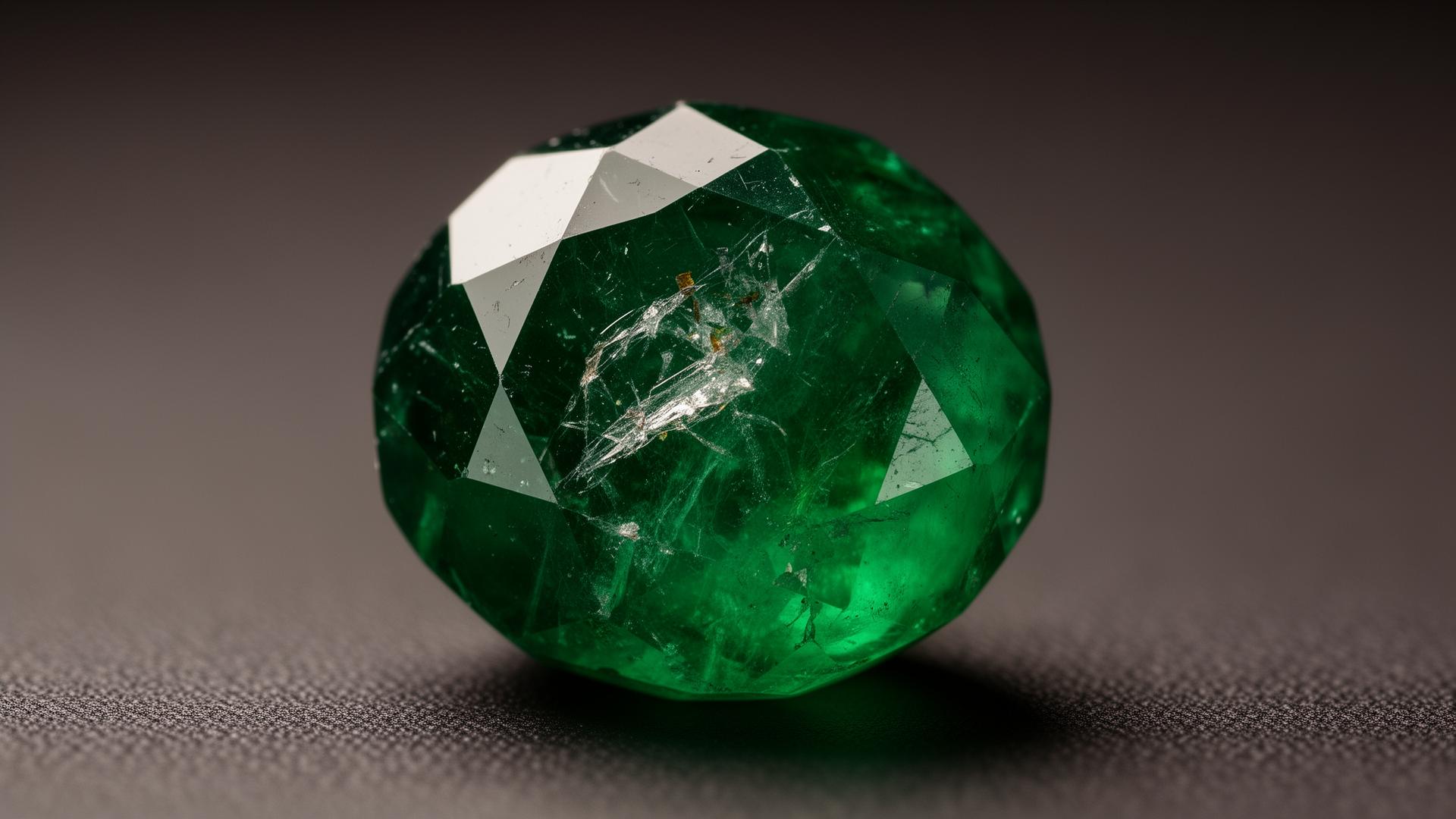
Emeralds — the green fire of the gemstone world — have been treasured since Cleopatra's time. As one of the most valuable colored gemstones, emeralds are also among the most commonly imitated and treated. From Colombian to Zambian, lab-grown to glass, and heavily oiled to barely treated, the emerald market is complex. Whether you've inherited a vintage emerald ring or you're shopping for your first stone, this guide will give you the expertise to navigate the market confidently.
Quick Facts: Emerald
Reading Emerald Color Like a Pro
Color is the single most important value factor in emeralds. The finest emeralds display a vivid, slightly bluish-green color with medium-dark tone and strong saturation. Colombian emeralds are famous for their warm, slightly yellowish-green color, while Zambian emeralds tend toward a cooler, bluish-green. Ethiopian emeralds often show a vivid, slightly yellowish-green. Too much yellow makes a stone look like green beryl rather than emerald; too much blue and it may be confused with tourmaline. The color should be evenly distributed, though some natural zoning is acceptable. GemstoneAI's color grading feature can help you compare an emerald's hue and saturation against reference standards from your phone.

The Jardin: An Emerald's Internal Garden
Perhaps no gemstone is as characterized by its inclusions as the emerald. The French word 'jardin' (garden) is used to describe the lush internal world of natural emeralds. A flawless emerald is virtually unheard of — if you see one, be suspicious. Natural emerald inclusions include:
- Three-phase inclusions — containing a crystal, liquid, and gas bubble, highly characteristic of Colombian emeralds
- Jagged fractures and fissures — emerald's relatively low toughness means fractures are extremely common
- Calcite, pyrite, and other mineral inclusions — trapped during crystal growth in host rock
- Growth tubes — parallel tubular cavities that follow the c-axis of the crystal
- Fingerprint patterns — healed fractures filled with fluid inclusions

The Chelsea Filter Test
The Chelsea color filter is a classic gemological tool particularly useful for emerald testing. When viewed through this filter, chromium-bearing emeralds typically appear pink to red, while most imitations and simulants appear green. However, this test has limitations: some natural emeralds (particularly those colored primarily by vanadium rather than chromium) may not show a strong red reaction. Synthetic emeralds also show red under the Chelsea filter since they contain chromium. Use this test as a screening tool, not a definitive identifier.
Oil Treatment: The Emerald Industry Standard
Understanding oil treatment is essential when dealing with emeralds. The practice of filling emerald fractures with oil or resin dates back centuries and is considered an accepted industry practice. However, the degree of treatment matters enormously for value:
- None/Insignificant — untreated or minimally treated emeralds command the highest premiums, often 2–5x more
- Minor — light oil treatment that slightly improves appearance; still considered fine quality
- Moderate — noticeable improvement from oil filling; the most common category in the market
- Significant/Heavy — extensive filling that dramatically changes appearance; stones are fragile and value is much lower
- Polymer/Resin filling — more permanent than oil but must be disclosed; Opticon and other polymers are common
Emerald Simulants and Synthetics
Several materials are used to imitate emeralds. Green glass is the most basic — it lacks the dichroism and inclusions of natural emerald and feels warm to the touch. Green tourmaline can look similar but has different optical properties (higher birefringence). Tsavorite garnet is singly refractive, unlike doubly refractive emerald. Synthetic emeralds (flux-grown and hydrothermal) are chemically identical but show different inclusion patterns — flux synthetics have wispy veils and flux remnants, while hydrothermal synthetics show chevron growth patterns and seed plates. If you're unsure about a stone, a quick scan with GemstoneAI can help distinguish broad categories before you invest in professional testing.
Composite Emeralds and Doublets
A growing concern in the market is composite emeralds — thin slices of natural emerald assembled with green cement or joined to colorless material. Soudé emeralds consist of two pieces of colorless material cemented with green glue. When viewed from the side or immersed in water, the construction becomes visible as a distinct join line at the girdle. Always examine emeralds under magnification and in immersion to check for assembled construction. A reputable lab certificate is your best protection against composites.
Identify Your Emerald Instantly
Skip the guesswork. Use GemstoneAI's advanced image recognition to authenticate your emerald in seconds.
Try GemstoneAI Free