Buying a ruby is one of the most exciting — and potentially risky — gemstone purchases you can make. With prices ranging from a few hundred dollars to millions per carat, and a market filled with synthetics, treatments, and lookalikes, informed buying is essential. This guide walks you through every step of the ruby purchasing process, from setting your budget to getting proper certification.
Setting Your Ruby Budget
Before shopping, establish a realistic budget based on your priorities. If you want an untreated Burmese ruby with top color, you'll need significant investment ($10,000+/ct for fine quality). If you're flexible on origin and accept heat treatment, excellent rubies are available for $1,000-$5,000/ct. For fashion jewelry or casual wear, heated Mozambican or Thai rubies at $200-$800/ct offer great beauty. Lab-grown rubies provide the look at $50-$200 for a fine stone, though they lack investment value. Know your purpose — daily wear jewelry vs. collection vs. investment — as this fundamentally changes what you should buy.
What to Look for in Color
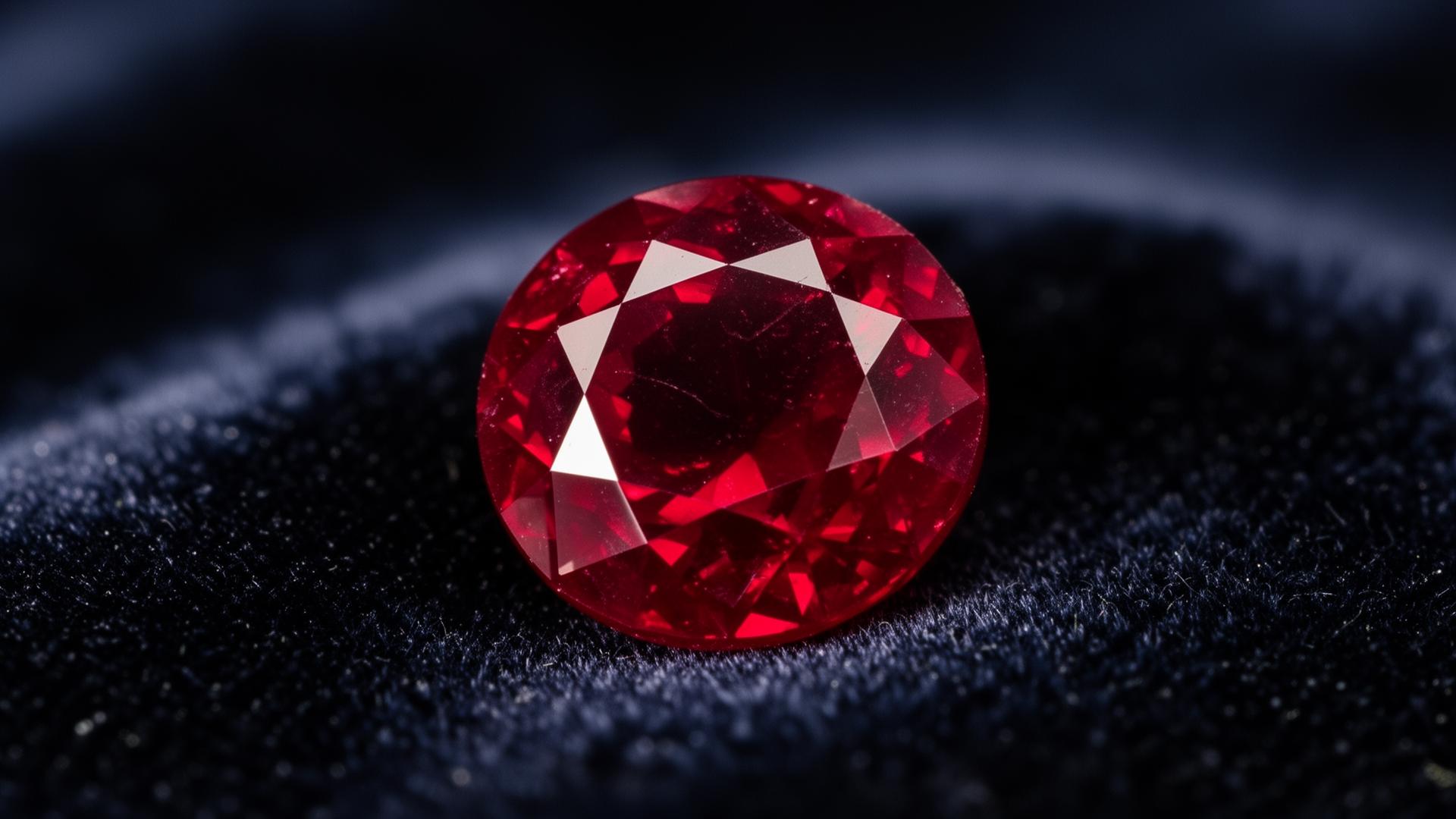
Color is 60-70% of a ruby's value. The ideal is a vivid, saturated red with slight blue undertones — 'pigeon blood' red. When evaluating in person, view the stone under multiple light sources: daylight, fluorescent, and incandescent. A fine ruby should appear red in all lighting conditions. Avoid stones that look dark/blackish (over-saturated), pinkish (under-saturated), or orange-red (wrong hue). If shopping online, request photos and video in natural daylight. GemstoneAI can help you assess color from photos before committing to a purchase, giving you a data-driven starting point.
- View under daylight, fluorescent, and incandescent light — color should remain red
- Ideal tone: medium to medium-dark (not too light, not too dark)
- Check for even color distribution — avoid heavy color zoning
- Slight blue undertones indicate premium 'pigeon blood' quality
- Orange or brown undertones indicate lower value
Understanding Treatment Disclosure
Always ask explicitly about treatments and insist on a certificate from GIA, Gübelin, or SSEF. Heat treatment is widely accepted and should be disclosed. Lead glass filling dramatically reduces value — a glass-filled ruby should cost 90-95% less than an untreated equivalent. Beryllium diffusion must be disclosed and significantly impacts price. Be especially cautious with online sellers who are vague about treatment or use terms like 'natural' without specifying treatment status. 'Natural' means the stone is not synthetic — it does NOT mean untreated.
Where to Buy Rubies
Your purchase channel significantly affects both price and risk. Reputable dealers with gemological credentials (GIA, FGA) offer expertise and accountability. Auction houses (Christie's, Sotheby's, Bonhams) handle high-end stones with guaranteed authenticity. Online platforms range from highly reputable to fraudulent — always require independent lab reports. Buying at origin (Bangkok, Mogok, Colombo) can offer savings but requires expertise to navigate. Avoid tourist markets and uncertified dealers. For any significant purchase, budget for an independent lab report — it's your insurance policy.
- Established dealers with GIA/FGA credentials — safest option for most buyers
- Major auction houses — best for high-end investment purchases
- Reputable online platforms — require independent lab reports for every stone
- Trade shows (Tucson, Bangkok) — good selection, negotiate with experts
- Avoid: tourist shops, uncertified dealers, 'too good to be true' deals
The Certification Imperative
Never buy a ruby of significant value without an independent lab report. For rubies over $1,000, a GIA report is the minimum standard. For rubies over $5,000, consider reports from Gübelin or SSEF, which provide more detailed origin determination. The report should specify: natural vs. synthetic, treatment status (heat, filling, diffusion), and ideally geographic origin. The cost of a lab report ($100-$500 depending on the lab and services) is insignificant compared to the potential cost of buying an undisclosed treated or synthetic stone. Run any potential purchase through GemstoneAI first for a quick authentication check before committing to lab testing fees.
Ruby Buying Checklist
- 1Set your budget and purpose (jewelry, collection, investment)
- 2Determine acceptable treatment level (untreated, heated, glass-filled)
- 3Evaluate color under multiple light sources
- 4Request or obtain an independent lab report (GIA, Gübelin, SSEF)
- 5Verify treatment disclosure matches lab report findings
- 6Compare pricing to current market rates for comparable quality
- 7Inspect for visible inclusions that affect durability (not just beauty)
- 8Negotiate return policy and independent appraisal window
Verify Before You Buy
Scan any ruby with GemstoneAI before purchasing. Get instant identification and quality assessment.
Try GemstoneAI Free