Sapphires are increasingly popular for engagement rings and fine jewelry, offering vivid color, exceptional hardness (9 on Mohs scale), and a wide range of blues from icy cornflower to deep royal. But the sapphire market is complex — heat treatment is ubiquitous, origin premiums can double prices, and quality differences aren't always visible to untrained eyes. This guide equips you to buy sapphires confidently, whether you're shopping for an engagement ring or building a gem collection.
Choosing Your Ideal Blue
Blue sapphire color preferences are highly personal. Some prefer the vivid, slightly violet cornflower blue of Kashmir or Ceylon stones. Others gravitate toward the darker royal blue of Burmese or Australian sapphires. The key is avoiding extremes: too dark appears inky and lifeless, too light appears washed out. Medium tone with strong saturation is the sweet spot for most buyers. Always view sapphires in person if possible — photos can be misleading, especially regarding tone. If shopping online, request videos showing the stone in natural daylight. GemstoneAI's color analysis provides objective measurements to complement your visual assessment.

Origin: When It Matters and When It Doesn't
Origin premiums can add 50-200% to a sapphire's price. Kashmir commands the highest premiums but these stones rarely appear outside of auction houses. For most buyers, the practical choice is between Ceylon (Sri Lanka), Burmese, and Madagascar sapphires. Ceylon stones offer lighter, brighter blues with excellent brilliance. Burmese stones show richer, more saturated blues. Madagascar has become a major source of quality sapphires at competitive prices. Our advice: focus on the stone's actual beauty and quality rather than paying a premium for origin alone. A stunning Madagascar sapphire may outperform a mediocre Ceylon stone at half the price.
- Focus on beauty first, origin second — don't overpay for a name
- Kashmir: museum/auction market only — not practical for most buyers
- Ceylon (Sri Lanka): best all-around choice for engagement rings and jewelry
- Madagascar: outstanding value — comparable quality to Ceylon at lower prices
- Burma: rich blues at premium prices — worth it for collectors
Sapphire Engagement Rings: Practical Considerations
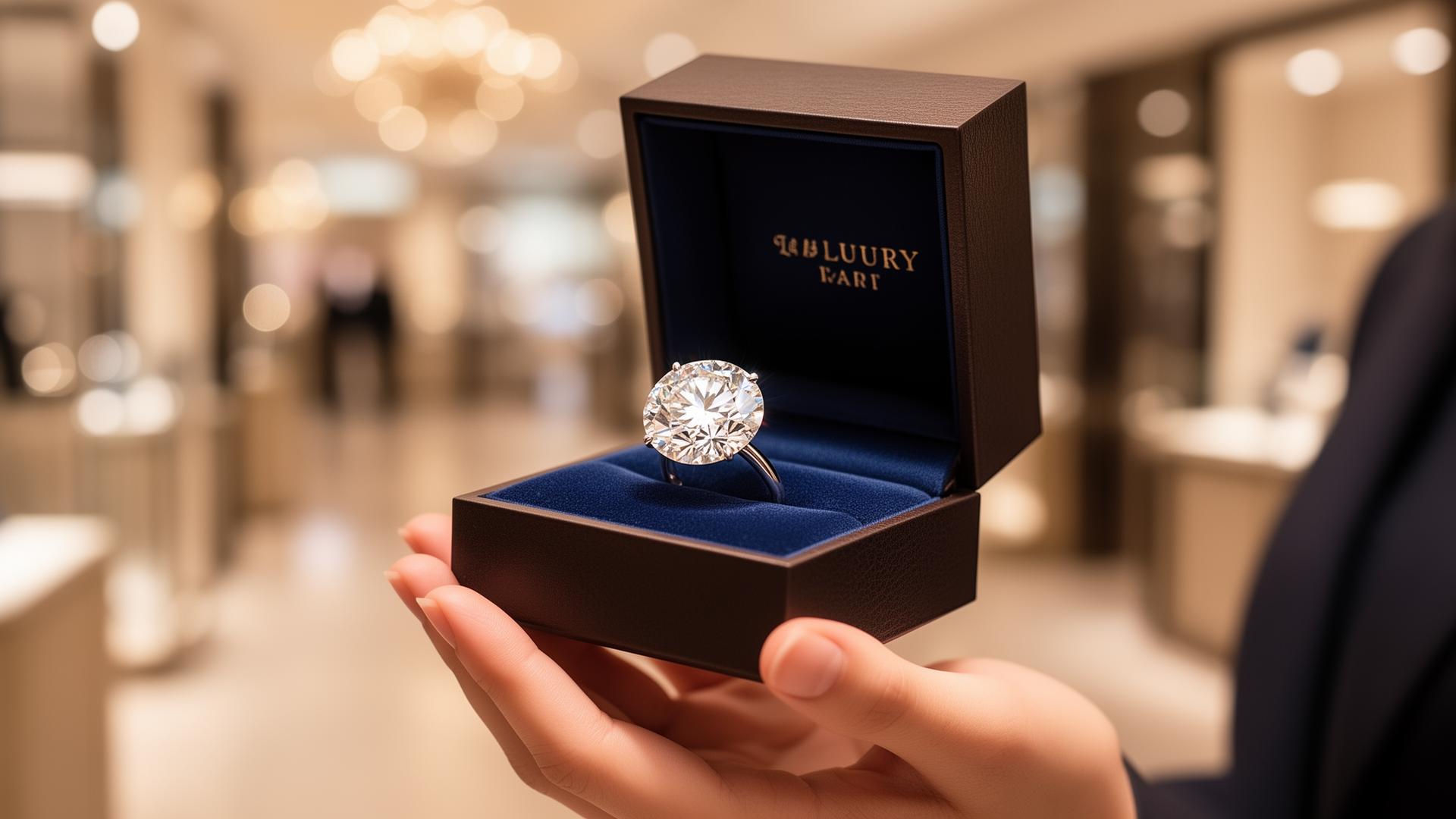
Sapphires are excellent engagement ring stones — they're second only to diamonds in hardness and have centuries of tradition (think Princess Diana). When choosing a sapphire for an engagement ring, prioritize durability: avoid stones with large surface-reaching fractures. Eye-clean clarity is important for daily wear. A well-proportioned cut maximizes brilliance and color. Size-wise, sapphires face up larger than diamonds of the same carat weight due to lower specific gravity. A 1-carat sapphire will look about the same size as a 1.1-carat diamond. Budget $1,000-$5,000 for a fine 1-carat sapphire engagement ring stone.
Fancy Color Sapphires: Hidden Gems
Don't overlook fancy color sapphires — they offer exceptional beauty and often better value than blue. Pink sapphires provide a colored gemstone alternative to pink diamonds at a fraction of the cost. Yellow sapphires offer sunny warmth and excellent durability. Padparadscha (pink-orange) sapphires are ultra-rare and highly prized by collectors. Color-change sapphires shift from blue to purple and offer a unique talking point. Teal/parti sapphires (blue-green) have surged in popularity for engagement rings. Use GemstoneAI to identify and assess fancy sapphire colors before purchase.
Verifying Your Sapphire Purchase
For any sapphire over $500, insist on a lab report from GIA, Gübelin, or SSEF. The report should confirm: natural origin, treatment status (heated vs. unheated, any diffusion), and ideally geographic origin. Be especially cautious of 'unheated' claims without documentation — the premium for unheated sapphires creates incentive for misrepresentation. Negotiate a return policy that allows time for independent appraisal. For online purchases, ensure the stone matches the lab report by checking carat weight, measurements, and any plotted inclusions.
Sapphire Buying Checklist
- 1Determine your ideal blue tone and saturation
- 2Decide on acceptable treatment level (heated is standard and fine)
- 3Set a realistic budget based on quality expectations
- 4View in natural daylight or request daylight video
- 5Obtain independent lab certification (GIA minimum)
- 6For engagement rings: check durability (no surface-reaching fractures)
- 7Compare prices across multiple dealers for the same quality tier
- 8Negotiate return policy with independent appraisal window
Verify Before You Buy
Scan any sapphire with GemstoneAI before purchasing. Get instant identification and quality assessment.
Try GemstoneAI Free