Birthstone jewelry combines personal meaning with natural beauty, making it one of the most thoughtful gift choices. Each month's birthstone carries centuries of tradition, symbolism, and lore. But not all birthstones are created equal — some months get diamonds while others get garnets, and quality within each stone type varies enormously. This guide helps you understand every birthstone and make informed buying decisions for birthstone jewelry.
January through June
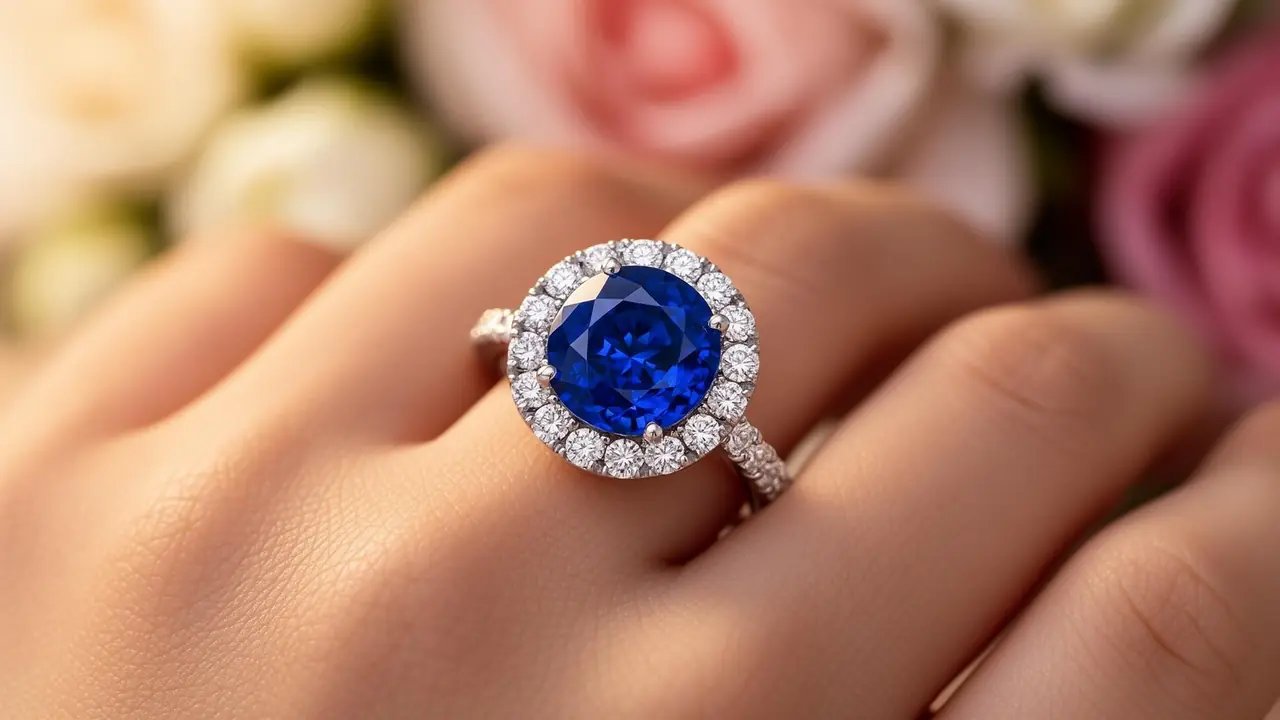
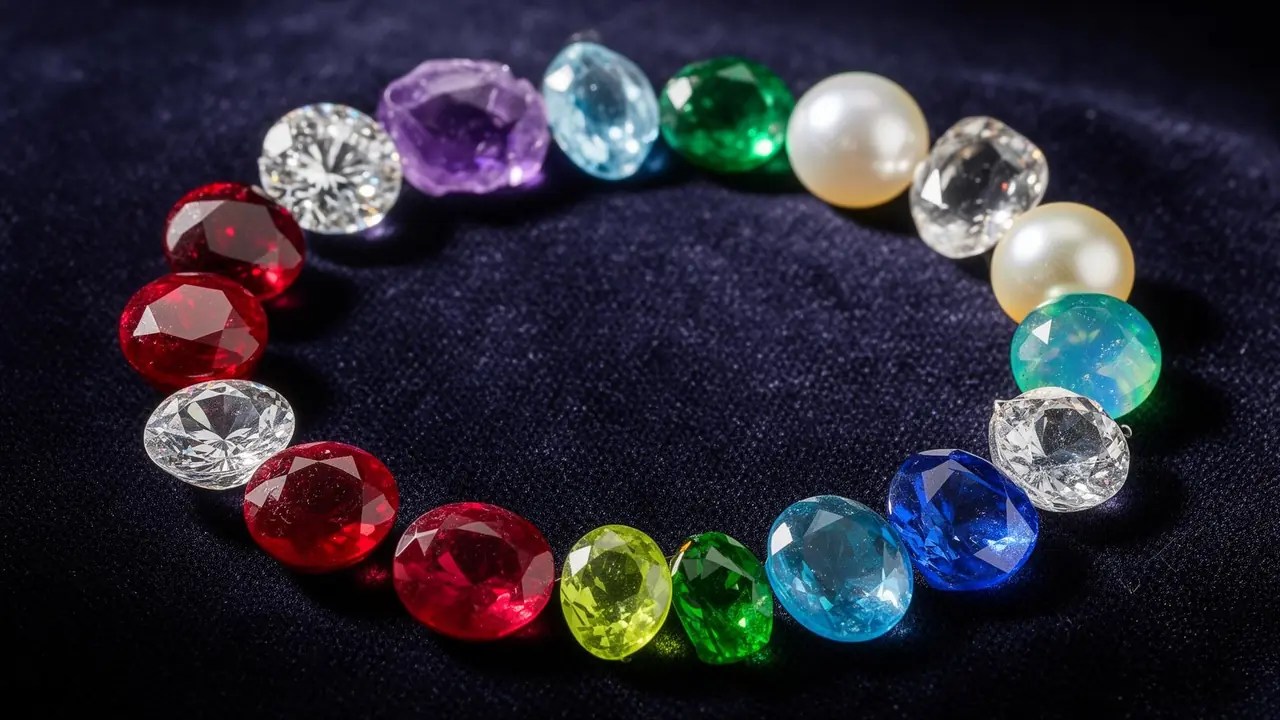
January (Garnet): Deep red garnets are affordable ($5-$200/ct) and durable. Consider rhodolite for a more refined raspberry-pink color. February (Amethyst): Purple quartz at $5-$100/ct — go for vivid 'Siberian' quality in a generous size. March (Aquamarine): Serene blue beryl, $50-$600/ct — beautiful in larger sizes. Also bloodstone (alternative). April (Diamond): The most prestigious birthstone. Lab-grown options make diamonds accessible at any budget. May (Emerald): Vivid green at $200-$50,000/ct — accept inclusions, prioritize color. June (Pearl/Alexandrite): Cultured pearls are elegant and accessible ($50-$500/strand). Alexandrite is rare and expensive ($2,000-$100,000/ct). GemstoneAI can help identify and grade any birthstone from a photo.
July through December
July (Ruby): The 'king of gems' — vivid red at $500-$100,000+/ct depending on quality. Heat-treated rubies offer the best value for jewelry. August (Peridot/Spinel): Peridot's olive green is affordable ($50-$200/ct). Spinel (added in 2016) offers far more diversity and value. September (Sapphire): Classic blue at $200-$50,000/ct — consider fancy colors for uniqueness. October (Opal/Tourmaline): Opals dazzle with play-of-color ($10-$20,000/ct). Pink tourmaline is a durable alternative. November (Topaz/Citrine): Imperial topaz (orange-pink) is the premium choice. Golden citrine is abundantly affordable. December (Tanzanite/Zircon/Turquoise): Tanzanite's violet-blue is stunning ($100-$1,200/ct). Blue zircon offers exceptional brilliance.
- July – Ruby: Investment-grade beauty, heat-treated for best value
- August – Spinel: Undervalued, untreated, rapidly appreciating
- September – Sapphire: Versatile, durable, available in every color
- October – Tourmaline: Pink, green, or watermelon — each unique
- November – Imperial Topaz: The premium birthstone for November
- December – Tanzanite: Single-source rarity in vivid violet-blue
Buying Birthstone Jewelry Wisely
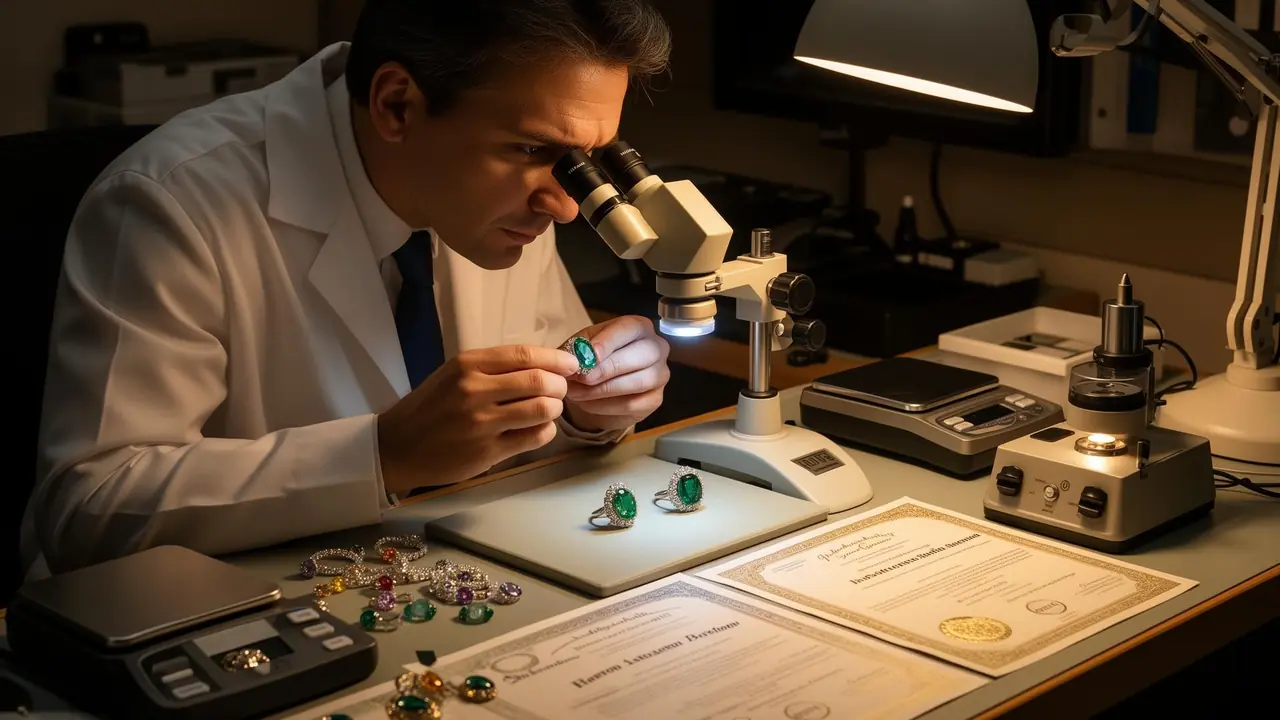
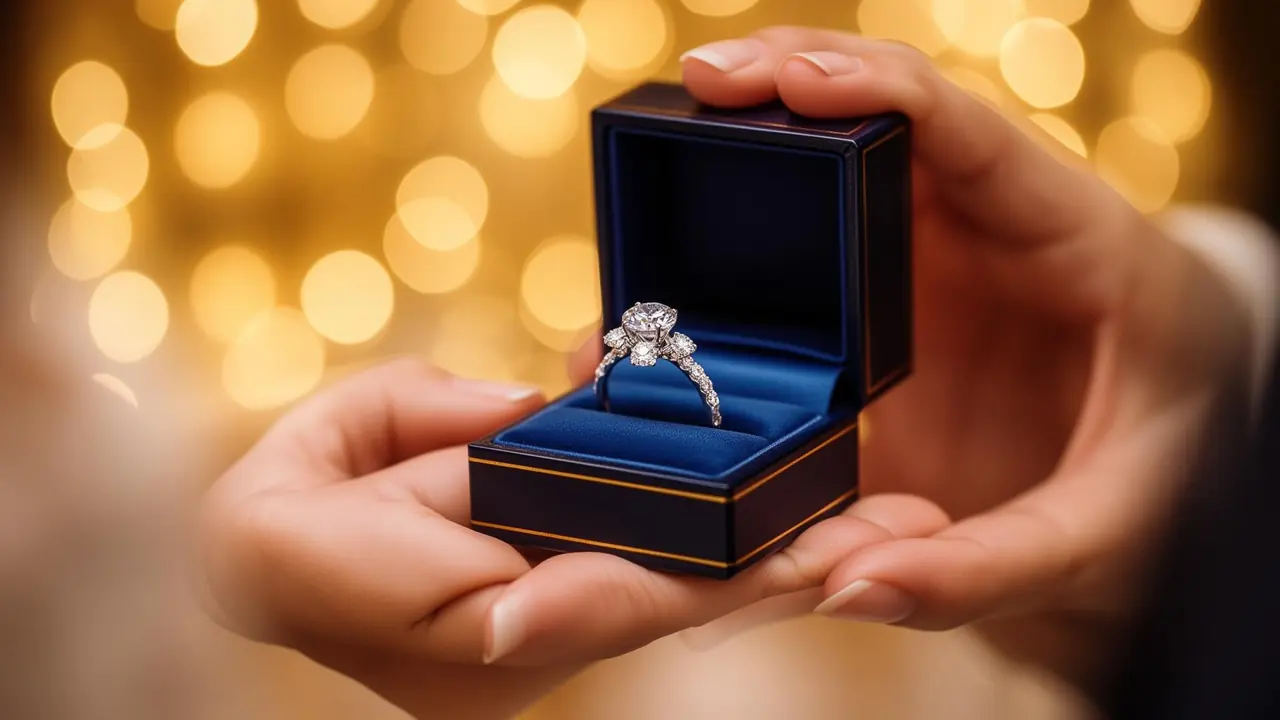
Quality varies enormously within every birthstone category. Don't settle for a low-quality stone just because it's the 'right' birthstone — a fine quality stone in a more affordable variety (like rhodolite garnet for January or spinel for August) will always outshine a poor-quality traditional choice. Consider the recipient's lifestyle when choosing settings: daily-wear jewelry needs durable stones and protective settings. For children's birthstone jewelry, choose durable stones (sapphire, ruby, diamond, garnet) over fragile ones (opal, emerald). Budget tips: amethyst, garnet, citrine, peridot, and aquamarine are the most affordable birthstones — you can get exceptional quality without breaking the bank.
Identify & Value Any Gemstone
Use GemstoneAI to instantly identify gemstones, assess quality, and estimate value from a single photo.
Try GemstoneAI Free