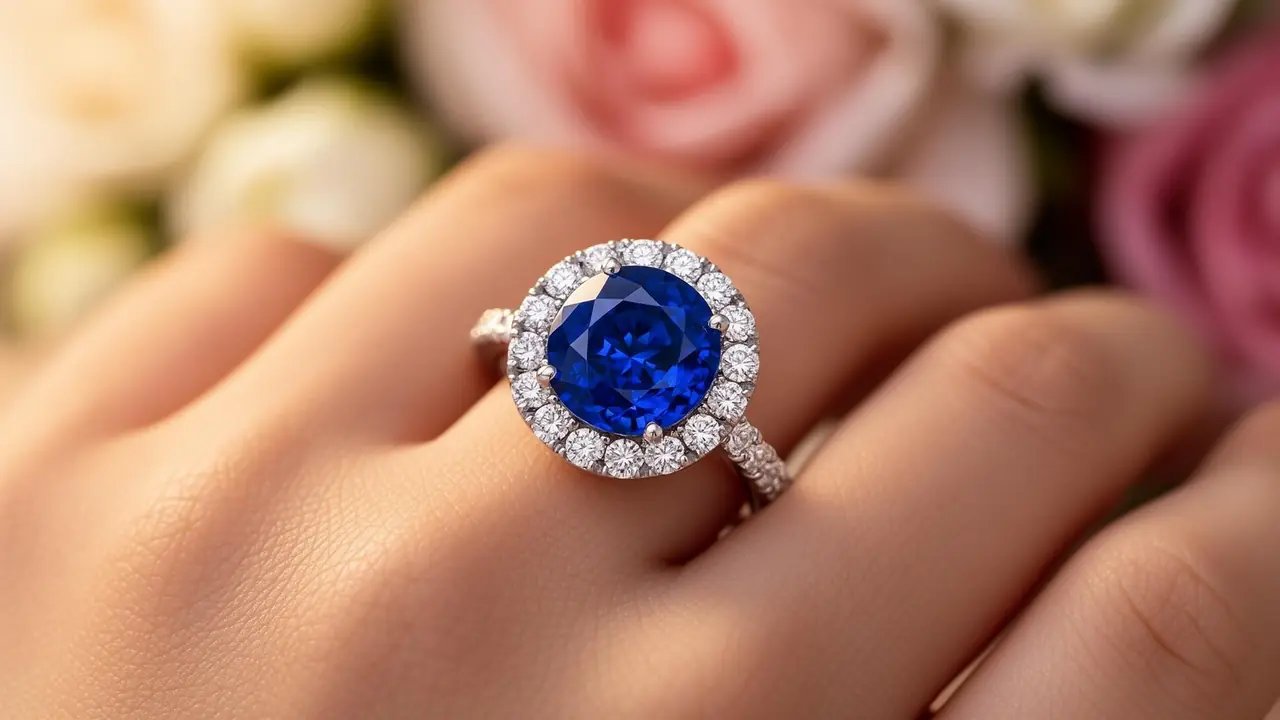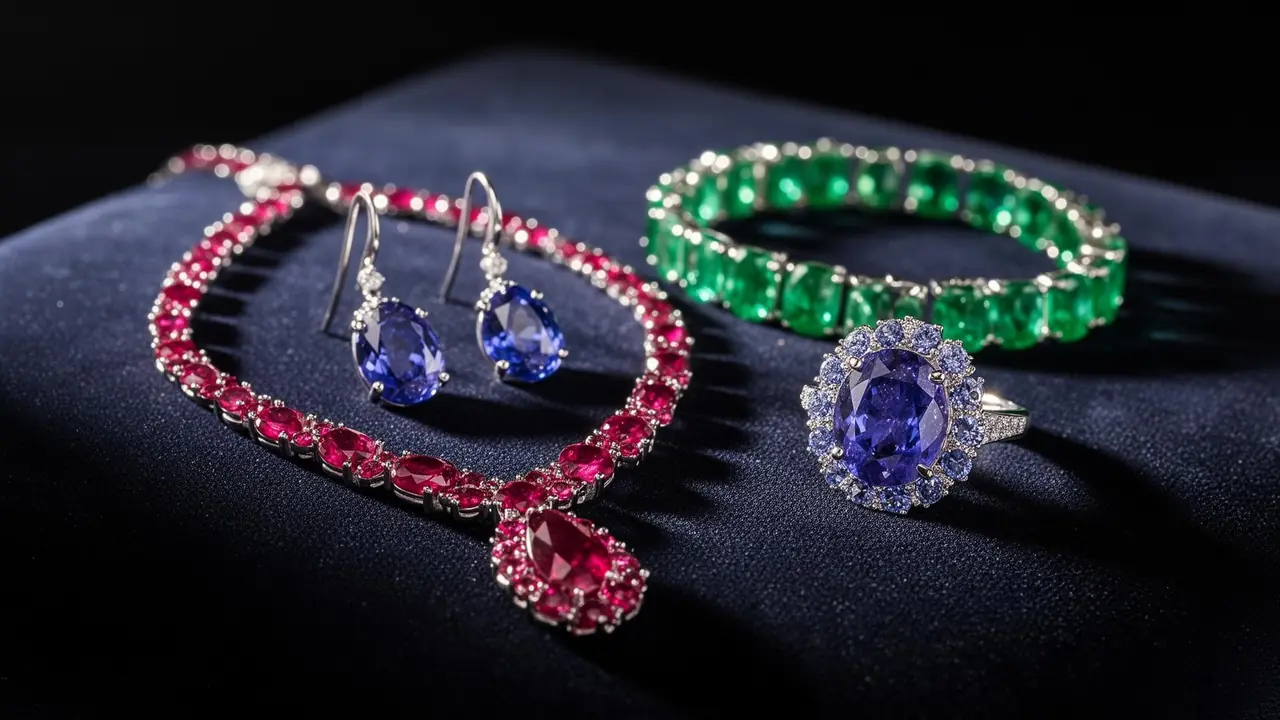
Colored gemstone jewelry offers something diamonds can't — individuality through color. From the deep red of rubies to the ocean blue of aquamarines, colored gems allow you to express personality, celebrate birthstones, and create truly unique jewelry. But choosing the right colored gemstone requires understanding durability, color theory, and how different gems work in different types of jewelry.
Matching Gemstones to Jewelry Types
Not every gemstone is suitable for every type of jewelry. Daily-wear rings (engagement, wedding) need stones rated 7+ on the Mohs hardness scale: sapphire (9), ruby (9), diamond (10), spinel (8), aquamarine (7.5-8), tourmaline (7-7.5). Occasional-wear rings can use softer stones: emerald (7.5-8 with care), tanzanite (6-7), opal (5.5-6.5). Pendants and earrings have fewer durability requirements since they're less exposed to impact and abrasion — virtually any gemstone works well. For everyday bracelets, choose harder stones or protective settings. GemstoneAI can help you identify any gemstone you're considering and assess its suitability.

Color Theory: What Flatters Your Skin Tone
Understanding how gemstone colors complement skin tones helps you choose jewelry that truly enhances your appearance. Warm skin tones (golden, olive, bronze undertones): rubies, garnets, warm sapphires, citrine, and amber create beautiful harmony. Cool skin tones (pink, blue, red undertones): blue sapphires, amethyst, tanzanite, aquamarine, and iolite provide striking contrast. Neutral skin tones: virtually any gemstone color works — lucky you! Beyond skin tone, consider hair color, preferred clothing palette, and the metal color you'll pair with the stone. There are no hard rules — personal preference always wins.
- Warm skin: Ruby, garnet, citrine, warm sapphire, amber — harmonious warmth
- Cool skin: Blue sapphire, amethyst, tanzanite, aquamarine — elegant contrast
- Neutral skin: Any color — focus on personal preference and wardrobe
- Warm metals (yellow/rose gold): Complement warm-toned stones
- Cool metals (platinum/white gold): Complement cool-toned stones
Building a Colored Gemstone Collection
A thoughtful gemstone jewelry collection combines everyday wear with statement items. Start with versatile staples: a pair of sapphire or ruby studs that work for both casual and formal occasions. Add a pendant in your birthstone or favorite color. Build with a cocktail ring featuring a larger colored gemstone for evening wear. For the adventurous, explore less common gems: spinel, tsavorite garnet, Paraíba tourmaline, or alexandrite. Each addition should complement what you already own while adding new color possibilities to your wardrobe. Use GemstoneAI to identify and learn about any gemstones you encounter in shops or markets.
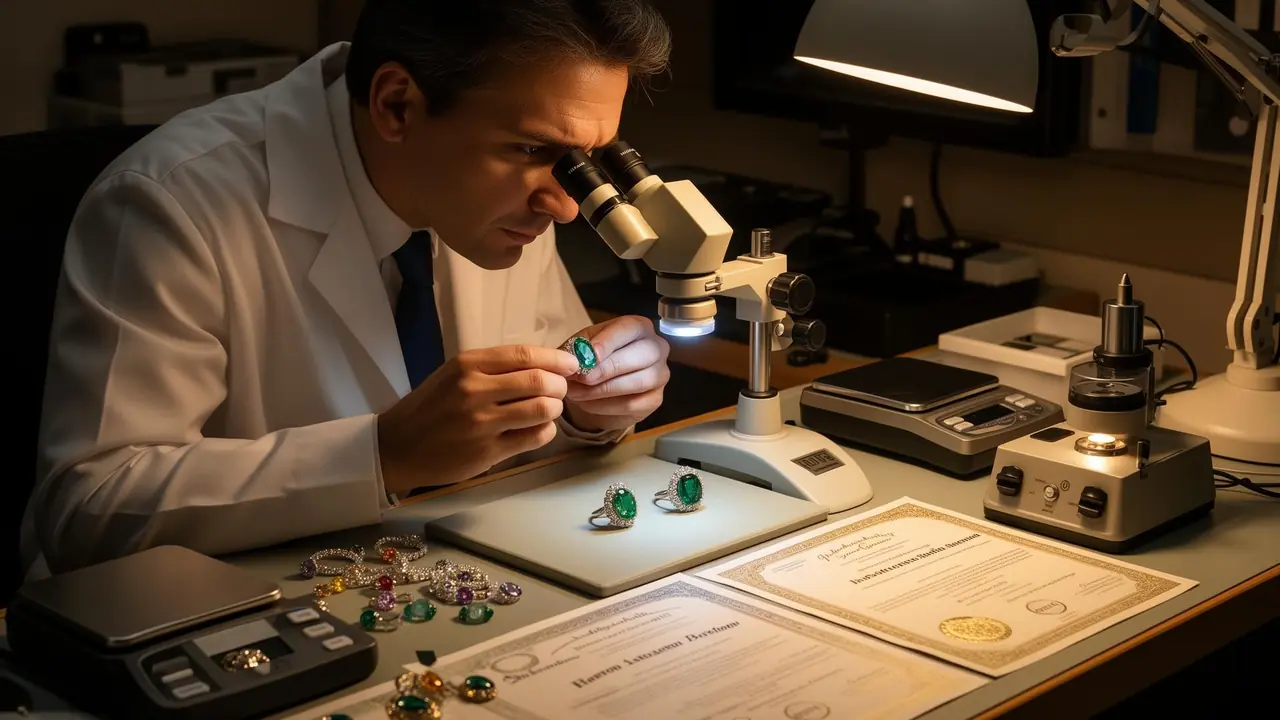
Identify & Value Any Gemstone
Use GemstoneAI to instantly identify gemstones, assess quality, and estimate value from a single photo.
Try GemstoneAI Free