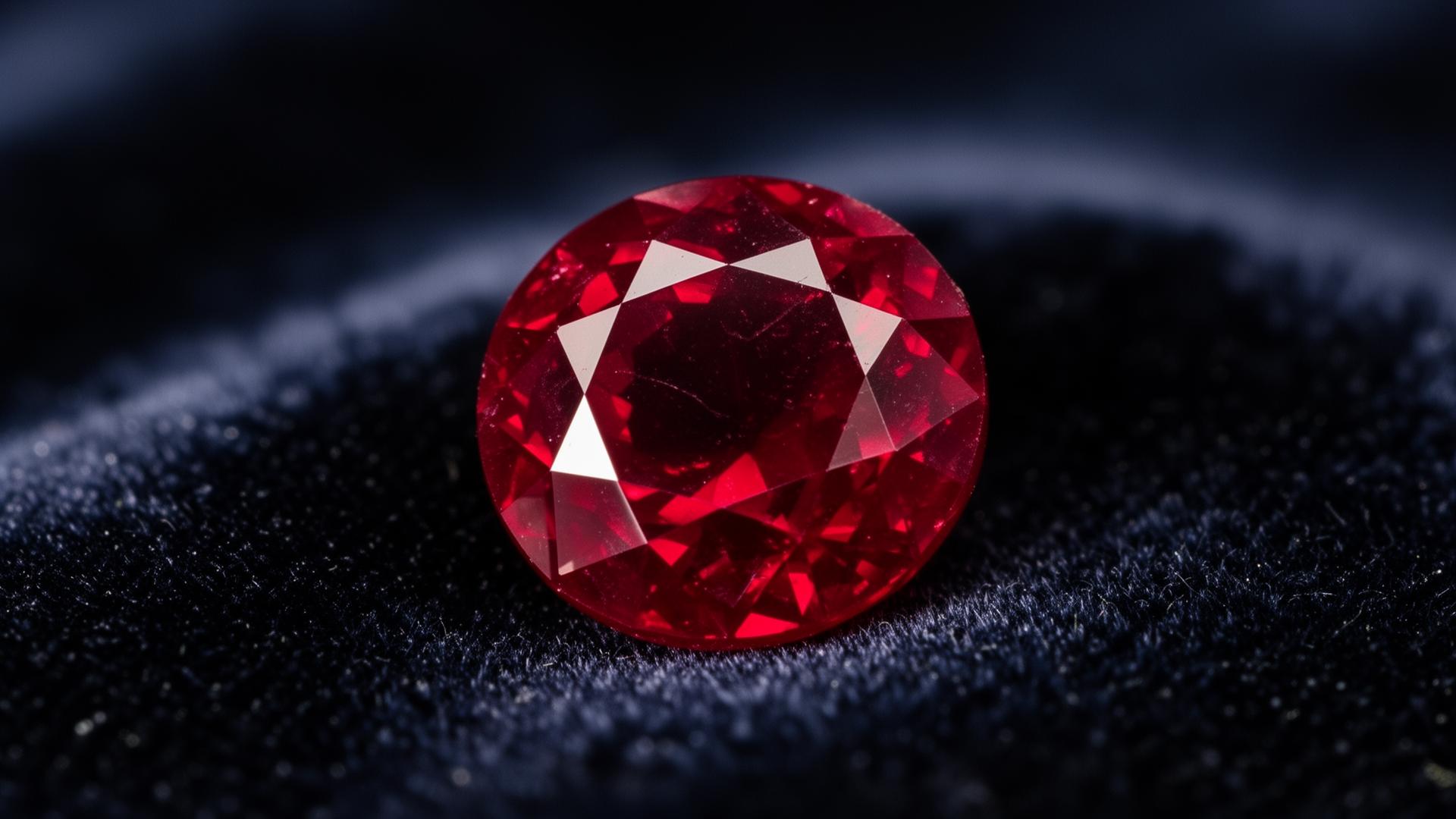
Rubies are among the most coveted gemstones in the world, commanding prices that can exceed even diamonds. But with the market flooded with synthetics, glass-filled stones, and outright fakes, knowing how to identify a genuine ruby is essential for collectors, jewelers, and consumers alike. Whether you're examining a family heirloom or evaluating a potential purchase, this comprehensive guide covers everything you need to know about authenticating rubies — from simple at-home tests to the advanced techniques used by gemological laboratories.
Quick Facts: Ruby
Understanding Ruby Color
The most important factor in ruby identification is color. Genuine rubies range from pinkish-red to deep 'pigeon blood' red, caused by trace amounts of chromium in the corundum crystal structure. The finest rubies exhibit a vivid, saturated red with a slight blue undertone — the legendary pigeon blood color found primarily in Burmese stones. Be wary of stones that appear too bright or have an orange or purple cast, as these may indicate garnets, spinels, or treated stones being sold as rubies. Tools like GemstoneAI can help you analyze color saturation and hue from a photo, giving you a fast initial assessment before seeking professional testing.
Examining Inclusions Under Magnification
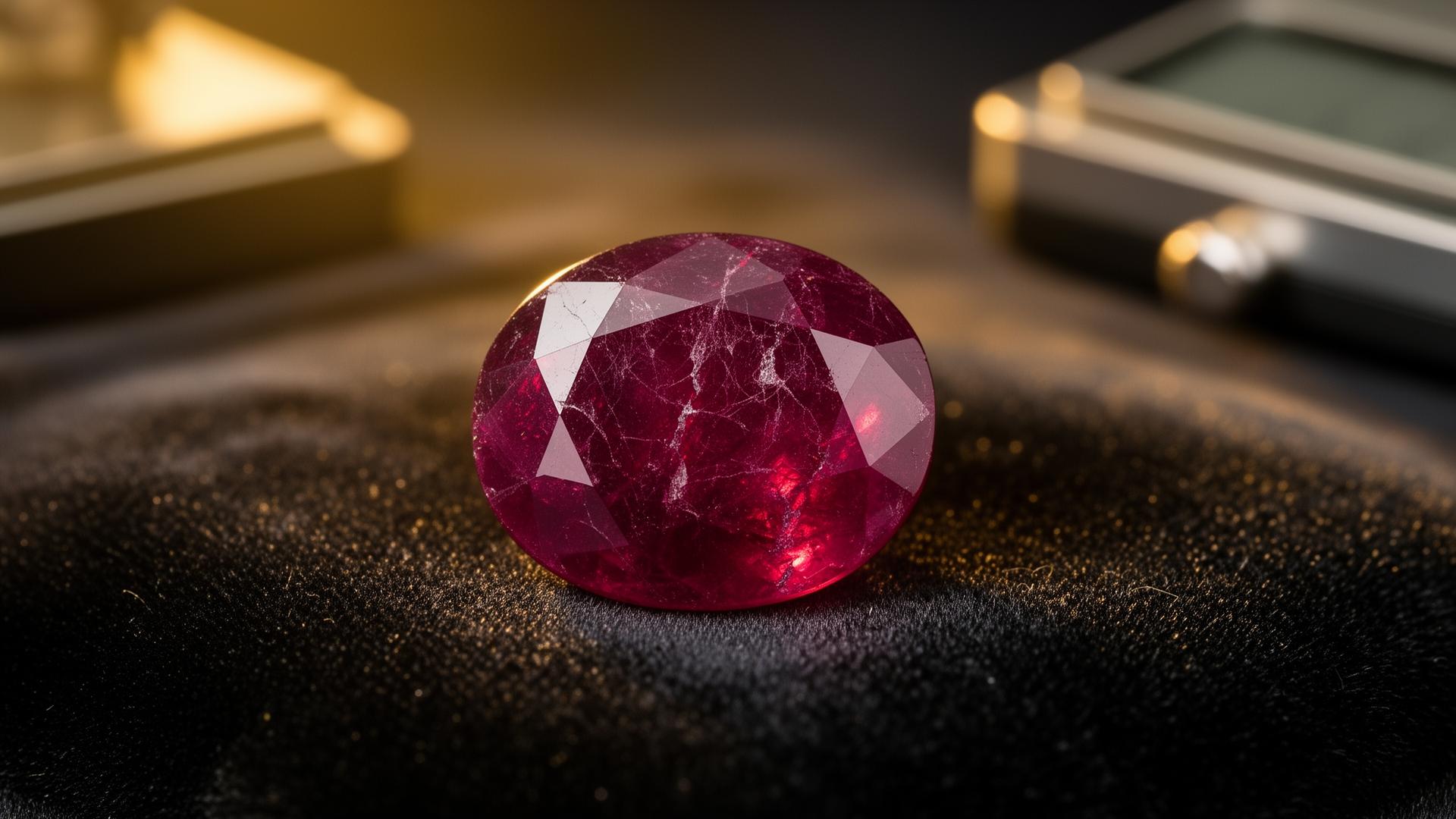
Natural rubies almost always contain inclusions — internal characteristics formed during crystallization millions of years ago. These 'fingerprints of nature' are actually a good sign of authenticity. Look for these telltale natural inclusions:
- Rutile silk — fine, needle-like inclusions that create a soft, silky appearance and are characteristic of natural corundum
- Fingerprint inclusions — partially healed fractures that resemble actual fingerprints under magnification
- Crystal inclusions — small crystals of other minerals trapped inside, such as calcite, apatite, or zircon
- Color zoning — uneven distribution of color that follows the crystal's growth pattern
- Twinning planes — flat planes where the crystal structure changes direction
The UV Fluorescence Test
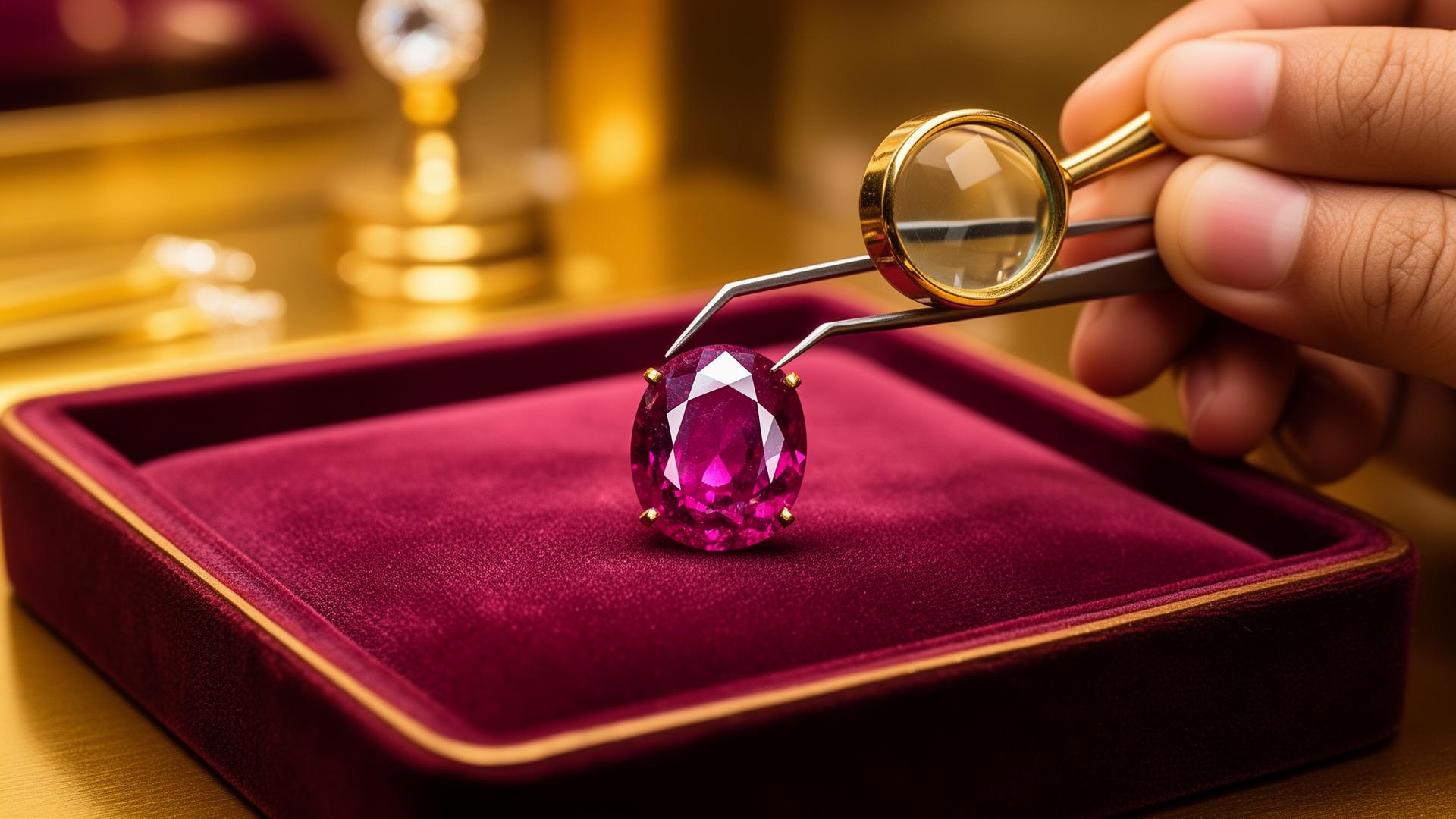
One of the most reliable at-home tests for rubies involves ultraviolet light. Natural rubies, especially those from Burma (Myanmar), exhibit strong red fluorescence under long-wave UV light. This is caused by the chromium content that also gives rubies their color. Synthetic rubies may also fluoresce, but often show a stronger, more uniform glow. Lead glass-filled rubies typically show weak or no fluorescence. While this test isn't definitive on its own, it's an excellent screening tool when combined with other methods. If you're testing stones remotely, GemstoneAI's identification engine can flag likely synthetics from high-resolution images before you invest in UV equipment.
Spotting Synthetic Rubies
Synthetic rubies are chemically identical to natural ones but are created in laboratories. The most common types include flame-fusion (Verneuil), flux-grown, and hydrothermal synthetics. Key indicators of synthetic origin include:
- Curved growth lines (striae) — visible under magnification in flame-fusion synthetics; natural rubies show straight angular growth lines
- Gas bubbles — round or elongated bubbles trapped during the growth process, never found in natural stones
- Flux inclusions — wispy, veil-like inclusions in flux-grown synthetics that differ from natural fingerprints
- Too-perfect appearance — a ruby that looks flawless to the naked eye at a bargain price is almost certainly synthetic
- Unnatural fluorescence patterns — overly strong or uniform UV response
Common Ruby Treatments to Watch For
The vast majority of rubies on the market have been treated to improve their appearance. While heat treatment is widely accepted in the industry, other treatments significantly affect value and must be disclosed. Heat treatment involves heating rubies to temperatures of 1000–1800°C to improve color and clarity — this is considered permanent and acceptable. Lead glass filling involves filling fractures with a lead-based glass to improve transparency — this dramatically reduces value and durability. Beryllium diffusion adds beryllium atoms to alter color through high-temperature treatment. Always request a certificate from a reputable gemological laboratory (GIA, Gübelin, SSEF) that discloses any treatments.
Professional Testing Methods
For high-value purchases, professional gemological testing is essential. A qualified gemologist will use a combination of advanced instruments to determine a ruby's authenticity, origin, and treatment status. Refractometer readings for ruby should fall between 1.762–1.770. Specific gravity testing should yield results of 3.97–4.05. Spectroscopy reveals the characteristic chromium absorption spectrum. Advanced techniques like FTIR and Raman spectroscopy can detect treatments invisible to the eye. For a quick initial screening before committing to lab fees, try scanning your stone with GemstoneAI — it can help determine whether professional certification is warranted.
Identify Your Ruby Instantly
Skip the guesswork. Use GemstoneAI's advanced image recognition to authenticate your ruby in seconds.
Try GemstoneAI Free

