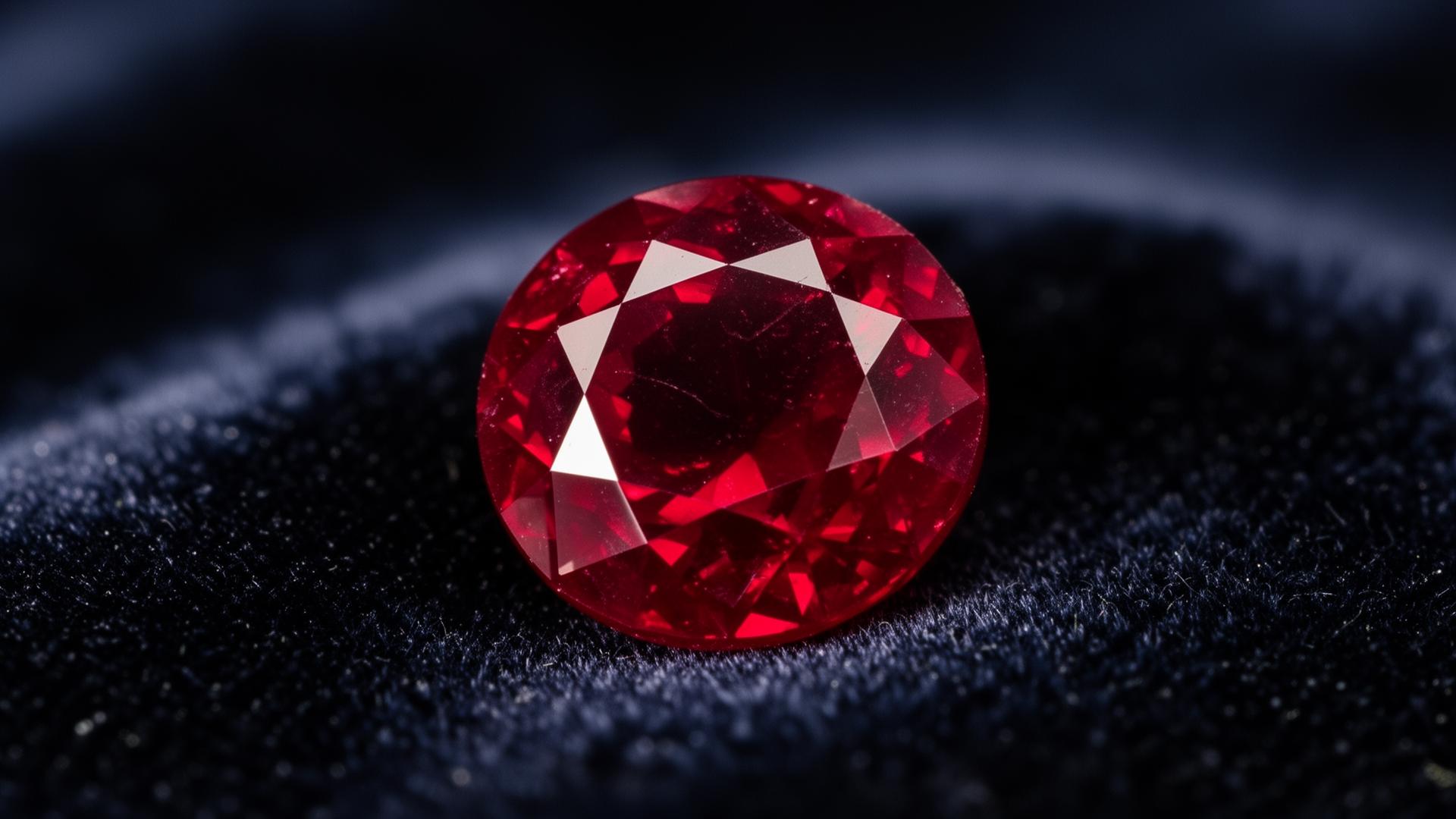
Named after the Latin words for 'water' and 'sea,' aquamarine evokes the serene beauty of the ocean. This blue variety of beryl (sister to emerald) is beloved for its calming, transparent blue color and excellent clarity. While less expensive than emerald or sapphire, fine aquamarines are still valuable — and commonly confused with blue topaz, glass, or synthetic alternatives. This guide helps you tell the difference and buy with confidence.
Quick Facts: Aquamarine
Aquamarine Color Evaluation
Natural aquamarine ranges from very pale blue to medium blue, often with a slight greenish tint. The most valued color is a medium, saturated blue without green — often called 'Santa Maria' blue after the famous Brazilian mines. Most natural aquamarine is actually greenish-blue in its rough state; heat treatment at 400–450°C is routinely used to remove the green component and produce a purer blue. Stones that are too dark blue may actually be blue topaz or synthetic spinel. Very pale, almost colorless material may not qualify as aquamarine at all.

Distinguishing Aquamarine from Blue Topaz
Blue topaz is the most common look-alike for aquamarine, and irradiated topaz can achieve very similar colors. Key differences for identification:
- Specific gravity — aquamarine (2.68–2.74) is lighter than blue topaz (3.49–3.57); a calibrated stone can be weighed
- Refractive index — aquamarine (1.565–1.602) vs blue topaz (1.609–1.643); measurable with a refractometer
- Inclusions — aquamarine may contain 'rain' (fine parallel tubes); topaz shows different inclusion types
- Dichroism — aquamarine shows near-colorless to blue; topaz shows slightly different pleochroic colors
- Price — genuine aquamarine in larger sizes costs significantly more than treated blue topaz

Clarity and Inclusions
One of aquamarine's great virtues is its typically excellent clarity. Unlike emerald (its beryl cousin), aquamarine commonly occurs eye-clean with no visible inclusions. Common inclusions when present include 'rain' — long, thin, parallel hollow tubes following the c-axis of the crystal. Small two-phase inclusions (liquid and gas) may be present. Crystal inclusions are relatively rare. Because eye-clean material is the norm, any aquamarine with visible inclusions should be priced accordingly. A flawless appearance, while typical for aquamarine, would be suspicious in an emerald.
Synthetic Aquamarine and Simulants
Synthetic aquamarine (hydrothermal beryl) exists but is relatively uncommon in the market due to the moderate price of natural material. More commonly encountered simulants include synthetic blue spinel (often used in vintage jewelry), blue glass (lacks dichroism, may contain bubbles), blue CZ, and light blue synthetic corundum. The most common deception is selling irradiated blue topaz as aquamarine — this is more a matter of misidentification or fraud than treatment disclosure. GemstoneAI can quickly distinguish aquamarine from common simulants based on visual properties, helping you avoid the most obvious fakes when shopping online.
Origin and Sources
Brazil has historically been the most important source of fine aquamarine, with the Santa Maria de Itabira mines producing the finest deep blue material. Madagascar, Nigeria, Pakistan, and Mozambique are also significant producers. Pakistani and Afghan stones from high-altitude pegmatites can show exceptional blue color. The largest gem-quality aquamarine ever found was the Dom Pedro, weighing 10,363 carats in the rough, now displayed at the Smithsonian Institution. Origin generally has less impact on price than it does for ruby, sapphire, or emerald.
Buying and Caring for Aquamarine
Aquamarine is an excellent jewelry stone with hardness of 7.5–8 on the Mohs scale and no cleavage concerns. It can be worn daily in any type of jewelry. Clean with warm soapy water; ultrasonic cleaning is generally safe. When purchasing, prioritize color saturation — the deeper the blue, the more valuable. Large sizes (10+ carats) are relatively common for aquamarine compared to other precious gems, so size alone doesn't command exponential premiums. Always ensure the stone hasn't been coated or backed to enhance color.
Identify Your Aquamarine Instantly
Skip the guesswork. Use GemstoneAI's advanced image recognition to authenticate your aquamarine in seconds.
Try GemstoneAI Free