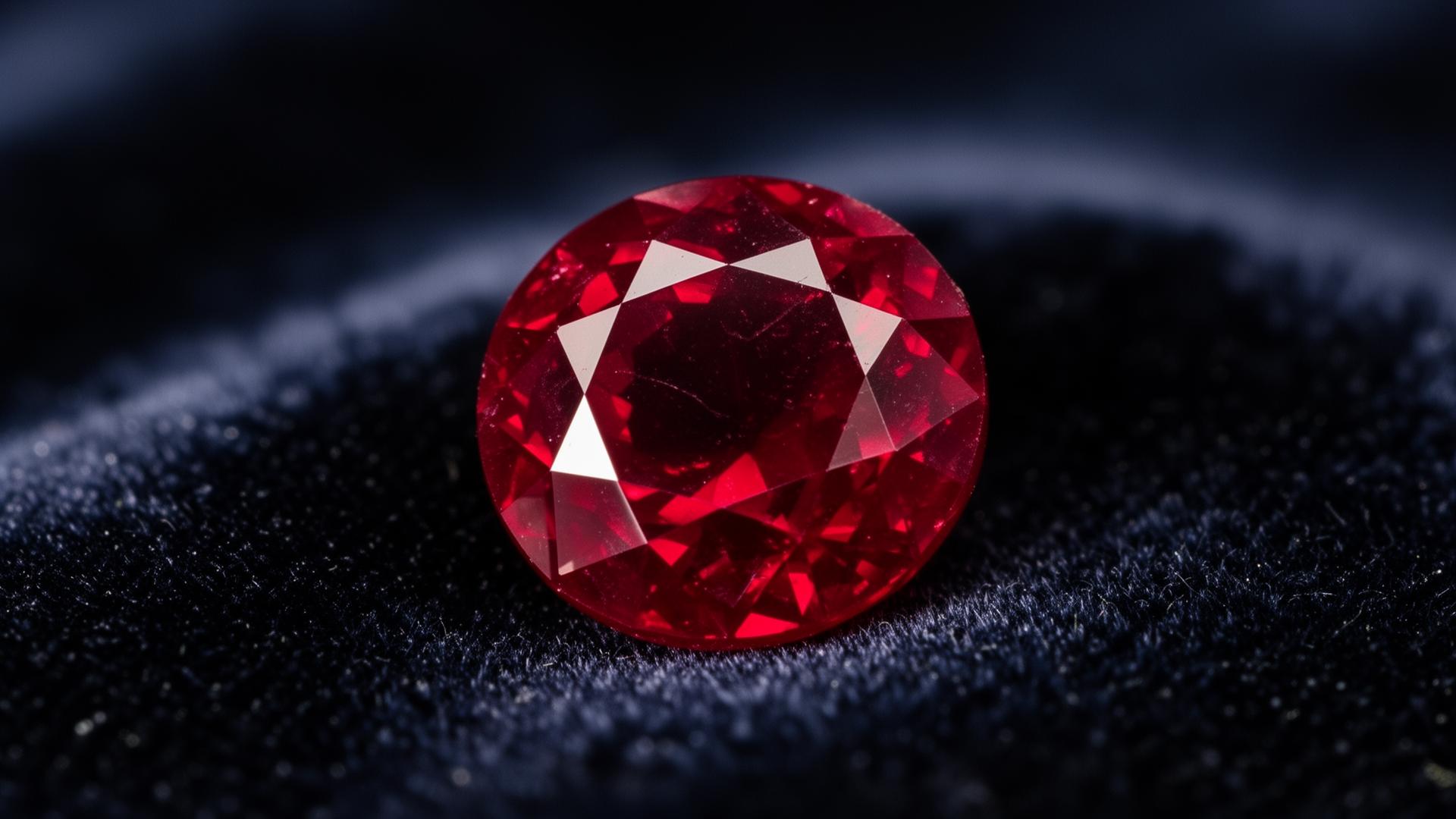
Sapphires have captivated humanity for millennia with their celestial blue hues. As one of the 'Big Three' colored gemstones alongside rubies and emeralds, sapphires are highly valued — and frequently imitated. From synthetic lab-grown stones to glass imitations and treated natural specimens, the sapphire market requires careful navigation. Whether you're shopping for a sapphire engagement ring or authenticating a family heirloom, this guide arms you with the knowledge to identify genuine sapphires with confidence.
Quick Facts: Sapphire
The Color Spectrum of Natural Sapphires
While blue is the most famous sapphire color, these gems actually come in every color except red (which is classified as ruby). The most prized blue sapphires exhibit a vivid, medium-to-dark blue with violet undertones. Kashmir sapphires are legendary for their 'velvety' blue caused by microscopic inclusions that scatter light. Ceylon (Sri Lanka) sapphires tend toward a lighter, brighter blue. When evaluating color, look for even distribution — natural sapphires often show subtle color zoning that follows hexagonal crystal growth patterns. If you're comparing stones online, GemstoneAI's color analysis can help you evaluate saturation and hue consistency across different lighting conditions.

Natural Inclusions in Sapphires
Inclusions are your best friends when identifying natural sapphires. They tell the story of the stone's formation and can even indicate geographic origin. Key natural inclusions to look for:
- Rutile silk — intersecting needle-like inclusions at 60° angles, following the hexagonal crystal structure
- Fingerprint inclusions — partially healed fractures with fluid-filled cavities creating fingerprint patterns
- Zoning — hexagonal color banding visible under immersion in methylene iodide
- Mineral crystals — tiny crystals of zircon, spinel, or uranium pyrochlore trapped during formation
- Feathers — fracture planes that display an iridescent quality

Dichroism Testing
Natural sapphires exhibit strong dichroism — they show two different colors when viewed from different crystallographic directions. For blue sapphires, you'll typically see blue and violet-blue or blue and greenish-blue. A dichroscope is an inexpensive tool that makes this easy to observe. Synthetic sapphires also show dichroism since they share the same crystal structure, but glass imitations and cubic zirconia do not. This simple test can quickly eliminate many common simulants from your consideration.
Detecting Synthetic Sapphires
Synthetic sapphires have been produced since the early 1900s and are widely available. The most common production methods and their telltale signs:
- Flame-fusion (Verneuil) — curved striae visible under magnification, gas bubbles, often too clean
- Czochralski pull — similar to flame-fusion but with straighter growth features
- Flux-grown — wispy flux inclusions resembling breadcrumbs or fingerprints, but with characteristic patterns
- Hydrothermal — chevron-shaped growth zoning, seed crystal remnants
- Price indicator — a large, clean, vivid blue sapphire at a fraction of market price is likely synthetic
Treatments and Enhancements
Understanding sapphire treatments is crucial for proper identification and valuation. Standard heat treatment involves temperatures of 1300–1900°C to improve color and clarity, dissolving rutile silk — this is widely accepted in the trade. Beryllium (Be) diffusion penetrates deep into the stone to alter color, creating vivid oranges and yellows — this must be disclosed and significantly affects value. Surface diffusion applies color only to the outer layer, visible as color concentration along facet edges when immersed in liquid. Lattice diffusion with titanium can create star effects. Always insist on certification from GIA, Gübelin, or SSEF for valuable sapphires.
Star Sapphires: Special Identification
Star sapphires display asterism — a six-rayed star that glides across the surface when illuminated with a single light source. Natural star sapphires have stars created by oriented rutile silk within the stone. Synthetic star sapphires (often called Linde stars) have been produced since the 1940s and show a sharper, more perfect star with even leg length. Natural stars typically have slightly uneven legs and may show silk visible beneath the surface. The most valuable star sapphires combine a strong star with fine body color — the legendary Star of India is a famous example. Scanning a star sapphire with GemstoneAI can help you quickly assess star quality and body color before consulting a gemologist.
Identify Your Sapphire Instantly
Skip the guesswork. Use GemstoneAI's advanced image recognition to authenticate your sapphire in seconds.
Try GemstoneAI Free