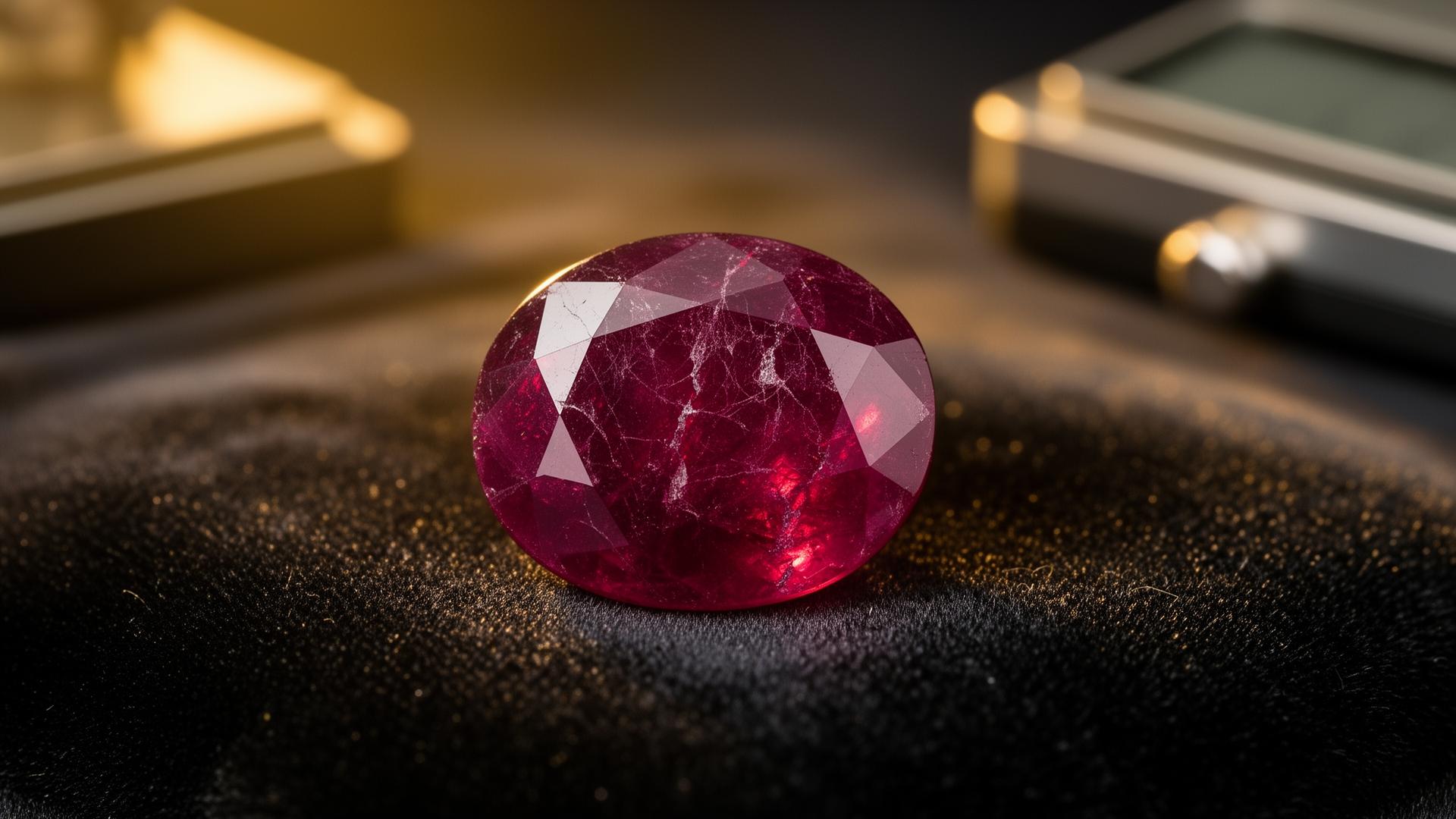
Sapphires offer one of the widest price ranges in the gemstone world, from $25 per carat for pale, included commercial stones to over $400,000 per carat for exceptional untreated Kashmir blues. The sapphire market is uniquely complex because these gems come in virtually every color, each with its own pricing dynamics. This guide covers current market values across quality tiers and explains why two sapphires of similar size can differ in price by a factor of 1,000.
Sapphire Price Chart
| Quality | Price/Carat | Notes |
|---|---|---|
| Commercial (pale, included) | $25–$200 | Mass market quality |
| Good (heated, medium blue) | $200–$2,000 | Retail jewelry grade |
| Fine (heated, vivid blue) | $2,000–$10,000 | High-end jewelry |
| Exceptional (unheated, vivid) | $10,000–$50,000 | Collector grade |
| Kashmir/Museum quality | $50,000–$400,000+ | World-class rarities |
Color: The Primary Price Driver
In blue sapphires, the ideal color is a vivid, medium-dark blue with violet undertones — not too dark (which appears inky) and not too light (which appears washed out). Saturation is critical: a highly saturated cornflower blue commands multiples over a grayish-blue of similar size. Fancy color sapphires have their own pricing structure — padparadscha (pink-orange) commands the highest premiums among fancy colors, followed by vivid pink and fine yellow. Color-change sapphires and star sapphires each occupy niche markets with dedicated collectors. GemstoneAI's color analysis can help you objectively assess saturation and hue.

Origin Premiums Explained
Origin is arguably more important in sapphire pricing than any other gemstone. Kashmir sapphires, no longer actively mined, command the highest premiums — their velvety, 'sleepy' blue is considered the pinnacle. Burmese (Myanmar) sapphires, particularly from Mogok, are the second most prized for their rich royal blue. Ceylon (Sri Lanka) sapphires offer vivid, lighter blues and excellent brilliance at more accessible prices. Madagascar has become a major source of fine sapphires. Australian and Thai sapphires tend toward darker, inkier tones and are priced lower.
- Kashmir: $50,000–$400,000+/ct for fine quality — the ultimate collector's stone
- Burma (Mogok): $10,000–$80,000/ct for fine unheated — second most valued origin
- Sri Lanka (Ceylon): $2,000–$20,000/ct for fine quality — excellent value proposition
- Madagascar: $1,000–$10,000/ct for fine quality — emerging source of top material
- Australia/Thailand: $200–$2,000/ct — commercial to good quality

Treatment Impact on Sapphire Value
Like rubies, treatment status dramatically affects sapphire pricing. Unheated sapphires of fine quality command 2-5x premiums over heated equivalents. Standard heat treatment is widely accepted — roughly 95% of sapphires on the market are heated. Beryllium diffusion is more controversial and significantly reduces value, particularly in blue and padparadscha sapphires. Lattice diffusion with titanium (to create star effects) results in lower values. Always verify treatment status through an independent lab report.
Fancy Sapphire Pricing
Non-blue sapphires each have distinct pricing dynamics. Padparadscha sapphires (pink-orange) can command $5,000-$30,000/ct for fine untreated stones. Vivid pink sapphires range from $1,000-$10,000/ct depending on saturation and origin. Fine yellow sapphires are more accessible at $500-$3,000/ct. Green sapphires and color-change sapphires occupy niche markets. The rarity of certain fancy colors means prices can be volatile and depend heavily on collector demand.
Sapphire Investment Outlook
Fine untreated sapphires have proven to be strong stores of value, with top-quality stones appreciating 4-7% annually. Kashmir sapphires have shown the strongest appreciation, with auction prices increasing dramatically over the past two decades. Ceylon and Burmese sapphires also show steady appreciation for fine untreated stones. The growing popularity of sapphire engagement rings (popularized by Princess Diana's ring, now worn by Kate Middleton) has supported retail demand. Lab-grown sapphires remain a small fraction of the market and have not impacted natural sapphire prices significantly.
Get an Instant Sapphire Valuation
Upload a photo and let GemstoneAI estimate your sapphire's value using AI-powered analysis.
Try GemstoneAI Free