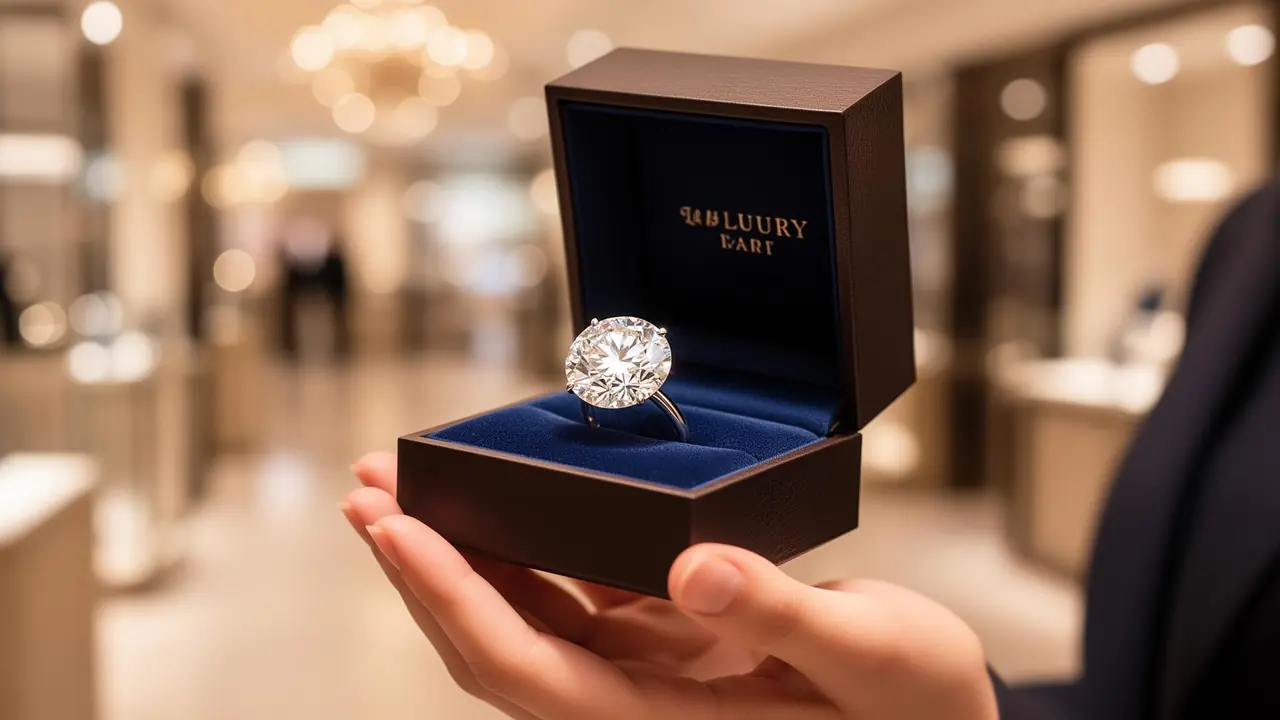
Buying a diamond today presents more options and better value than ever — but also more complexity. The natural vs. lab-grown decision, navigating the 4Cs, choosing between brick-and-mortar and online dealers, and understanding certification all require informed decision-making. This guide cuts through the marketing noise and gives you practical strategies for maximizing your diamond purchase.
GemstoneAI market index, updated November 9, 2026
$4,490 per carat
A market-wide average across qualities and sizes, refreshed weekly. What your diamond is worth depends on its carat, color, clarity, cut, treatment and origin.
See the live diamond marketNatural vs Lab-Grown: Making the Choice
This is the first decision every diamond buyer should make. Natural diamonds: hold resale value, carry emotional weight as billions-of-years-old geological wonders, and have established markets. Lab-grown diamonds: cost 70-85% less, are chemically identical, and are positioned as more ethical (though this is debated). For engagement rings, the choice often comes down to whether resale value matters. If you plan to keep the ring forever, lab-grown offers tremendous value. If you want an heirloom with lasting monetary value, natural is the safer choice. GemstoneAI can help you compare equivalent grades side by side.
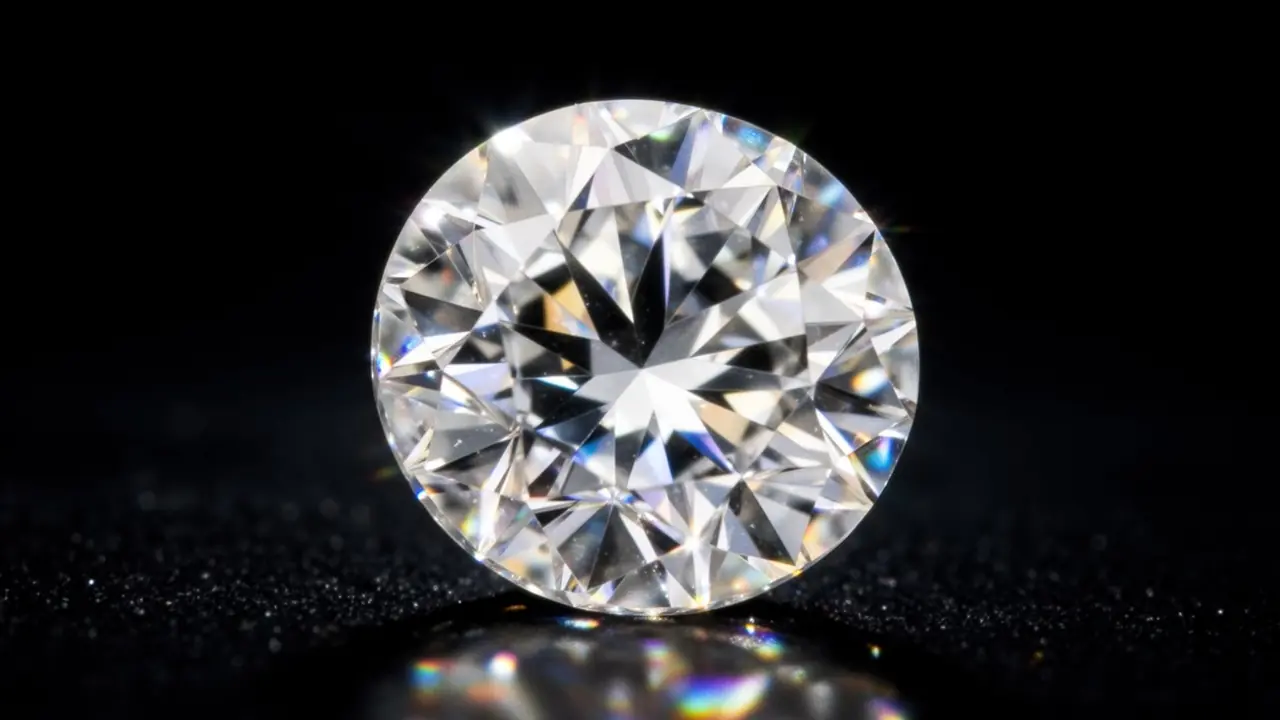
The 4Cs: Where to Spend and Where to Save
Not all Cs deserve equal weight in your budget. Cut quality is non-negotiable — always choose Excellent or Ideal. This is the single biggest determinant of how beautiful your diamond will look. Color: G-H grades face up colorless in most settings and save 20-30% vs D-E. Unless you're comparing stones side-by-side in controlled lighting, the difference is invisible. Clarity: VS2-SI1 is the sweet spot — eye-clean to the naked eye at 30-40% less than VVS. Carat weight: buy just under full-carat marks (0.90, 1.90) to save 15-20% without visible size difference.
- Cut: Always Excellent/Ideal — this is where your diamond's beauty lives
- Color: G-H saves 20-30% vs D-E with no visible difference in most settings
- Clarity: VS2-SI1 saves 30-40% — insist on 'eye-clean' confirmation
- Carat: Buy 0.90 instead of 1.00 to save 15-20% at nearly identical size
- Triple Excellent (cut, polish, symmetry) ensures maximum brilliance
Where to Buy: Comparing Channels
Online dealers like James Allen and Blue Nile offer competitive prices with 360° video and easy comparison shopping. Brick-and-mortar jewelers provide hands-on experience and personalized service. For the best of both worlds, research and shortlist online, then verify in person if possible. Always buy GIA-certified diamonds — EGL and IGI certifications are less consistent and may over-grade. For lab-grown diamonds, IGI certification is the standard. Avoid uncertified 'wholesale' deals that seem too good to be true.
Setting and Metal Choices
The setting dramatically affects how your diamond looks and how much of your budget goes to the stone itself. Solitaire settings maximize the visual impact of your diamond. Halo settings make the center stone look 0.5ct larger for $500-$1,500 less than sizing up. Three-stone settings distribute visual impact across multiple stones. For metal, platinum is the most durable but adds $500-$1,000. White gold (14k or 18k) is an excellent alternative. Yellow and rose gold are trending and complement lower color grades beautifully (J-K diamonds look great in warm metals).
Red Flags and Common Traps
Watch for these common pitfalls: Fluorescence can be a friend or foe — faint to medium blue fluorescence can make J-K color diamonds appear whiter and may be discounted; however, very strong fluorescence can cause a hazy appearance. Avoid diamonds certified by unknown labs or with vague terminology. 'Conflict-free' claims should be backed by Kimberley Process certification. Be wary of high-pressure sales tactics and 'limited time offers.' Always negotiate — margins in diamond retail are typically 40-100%, leaving room for meaningful discounts.
Diamond Buying Checklist
- 1Decide natural vs lab-grown based on your priorities
- 2Set budget (don't follow the 'months salary' myth)
- 3Prioritize Cut quality — always Excellent/Ideal
- 4Target G-H color, VS2-SI1 clarity for best value
- 5Buy just under carat marks (0.90, 1.40, 1.90)
- 6Insist on GIA certification (IGI for lab-grown)
- 7Compare at least 3-5 dealers before purchasing
- 8Negotiate price and secure return policy (30 days minimum)
What diamond jewelry is worth
The middle first-read value from GemstoneAI scans of each kind of diamond jewelry.
- Gold diamond ring$1,500
- Gold diamond necklace$930
- Gold diamond earrings$700
- Gold diamond bracelet$2,400
- Silver diamond ring$360
- Platinum diamond ring$4,200
Verify Before You Buy
Scan any diamond with GemstoneAI before purchasing. Get instant identification and quality assessment.
Try GemstoneAI Free