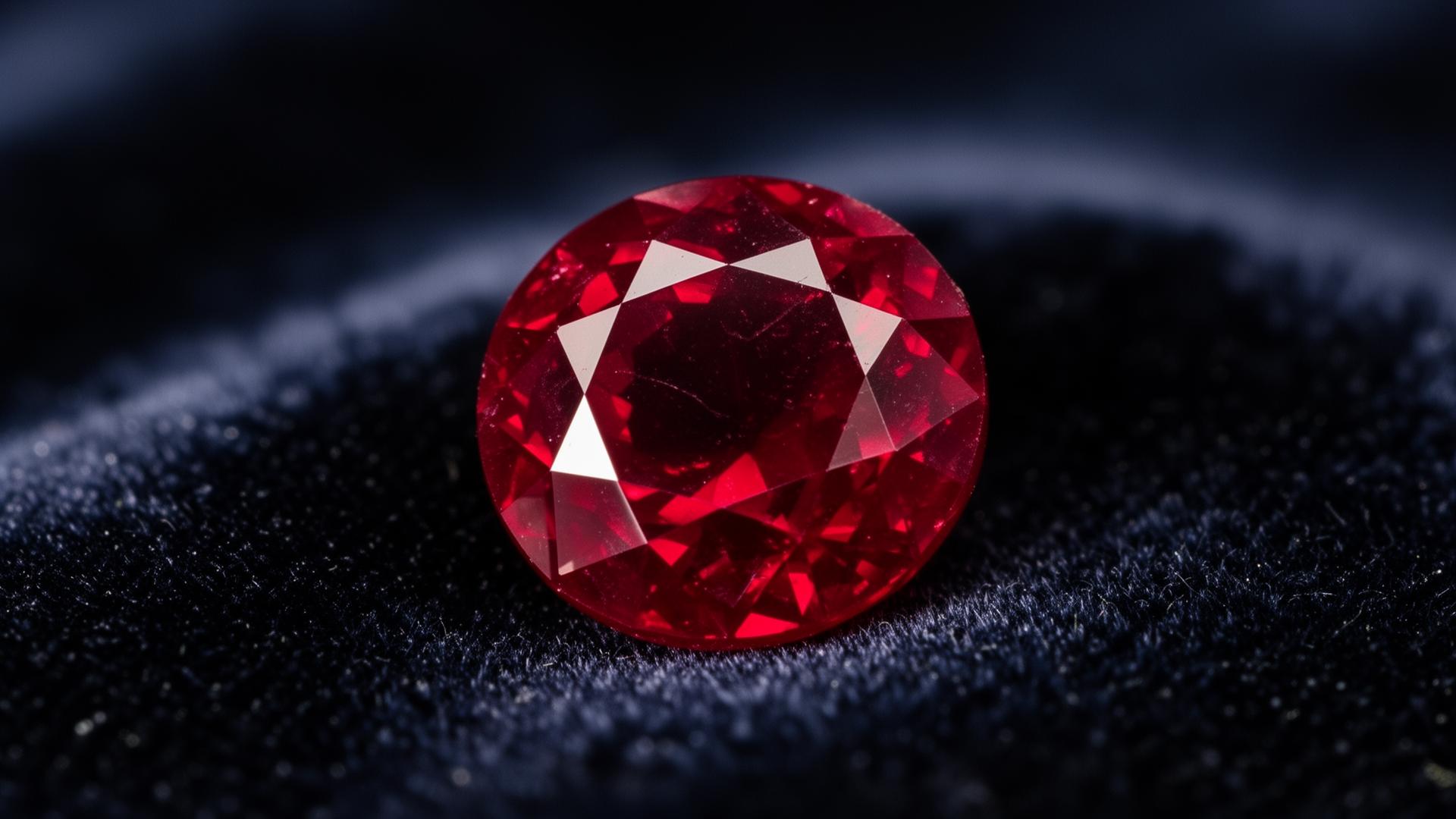
Amethyst, the purple variety of quartz, has been treasured since ancient times when it was considered as valuable as ruby and sapphire. Though the discovery of large Brazilian deposits in the 19th century made it more accessible, fine amethyst remains a beautiful and popular gemstone. However, the market includes synthetic quartz, glass imitations, and dyed stones that can fool casual buyers. This guide teaches you to identify the real thing — and appreciate the qualities that have made amethyst beloved for millennia.
Quick Facts: Amethyst
Reading Amethyst Color
The finest amethysts display a rich, saturated purple with strong red and blue secondary hues. 'Siberian' amethyst — named for the legendary Russian deposits — describes the ideal color: deep purple with red and blue flashes visible as the stone is rotated. Brazilian amethysts tend toward a lighter, more violet-blue purple. Zambian and Uruguayan material can achieve deep, rich colors comparable to the old Siberian standard. Avoid stones that are too pale (low saturation), too dark (appears nearly black), or show a brownish or grayish cast. GemstoneAI's color analysis helps you evaluate amethyst saturation consistently, even across different lighting conditions in sellers' photos.

Color Zoning: Nature's Signature
Color zoning is one of the most reliable indicators of natural amethyst. Natural amethyst forms in layers, creating visible bands or zones of different color intensity — from deep purple to nearly colorless. This zoning follows the crystal's growth pattern and appears as angular, straight-line patterns when viewed under magnification. Synthetic amethyst and glass imitations typically show uniform color throughout. To check for zoning, immerse the stone in water and view against a white background — the zones become more visible.

Natural Inclusions in Amethyst
While fine amethyst is typically eye-clean, microscopic inclusions can help confirm natural origin:
- Tiger stripes — parallel lines of color zoning that create a striped appearance; classic natural feature
- Thumbprint inclusions — partially healed fractures with a fingerprint-like pattern
- Liquid inclusions — two-phase inclusions containing liquid and a gas bubble
- Negative crystals — crystal-shaped voids within the stone
- Iron oxide staining — reddish-brown patches along fractures, natural but may affect clarity grade
Distinguishing Natural from Synthetic Amethyst
Synthetic amethyst is produced by the hydrothermal method and is chemically identical to natural amethyst. This makes it one of the most challenging identifications in gemology. Advanced techniques used by laboratories include infrared spectroscopy (FTIR) to detect growth signatures, twinning patterns (Brazil-law twinning is present in natural, absent in most synthetics), and careful study of inclusion types. For the consumer, the best protection is purchasing from reputable sources with credible documentation of natural origin.
Glass and Other Imitations
Glass imitations of amethyst are common in fashion jewelry and antique pieces. Distinguishing glass from amethyst is relatively straightforward:
- Temperature — hold the stone to your cheek; natural amethyst feels cool and stays cool longer than glass
- Bubbles — round or elongated bubbles under magnification indicate glass; never found in amethyst
- Hardness — amethyst (7 Mohs) scratches glass (5.5) easily; glass cannot scratch amethyst
- Dichroism — natural amethyst shows subtle dichroism (slightly different purple tones); glass shows none
- Color uniformity — glass is perfectly uniform; natural amethyst shows at least subtle zoning
Ametrine: Nature's Two-Tone Wonder
Ametrine is a naturally occurring bi-colored variety that combines amethyst (purple) and citrine (yellow-orange) in a single crystal. Nearly all natural ametrine comes from the Anahí Mine in Bolivia. When evaluating ametrine, look for a sharp, distinct boundary between the purple and yellow zones — this indicates natural origin. Synthetic ametrine exists and can be distinguished by the absence of natural twinning and overly perfect color distribution. Natural ametrine is moderately priced and makes for stunning, unique jewelry pieces. Scanning ametrine with GemstoneAI can help verify the characteristic bi-color pattern and distinguish it from synthetic versions.
Identify Your Amethyst Instantly
Skip the guesswork. Use GemstoneAI's advanced image recognition to authenticate your amethyst in seconds.
Try GemstoneAI Free