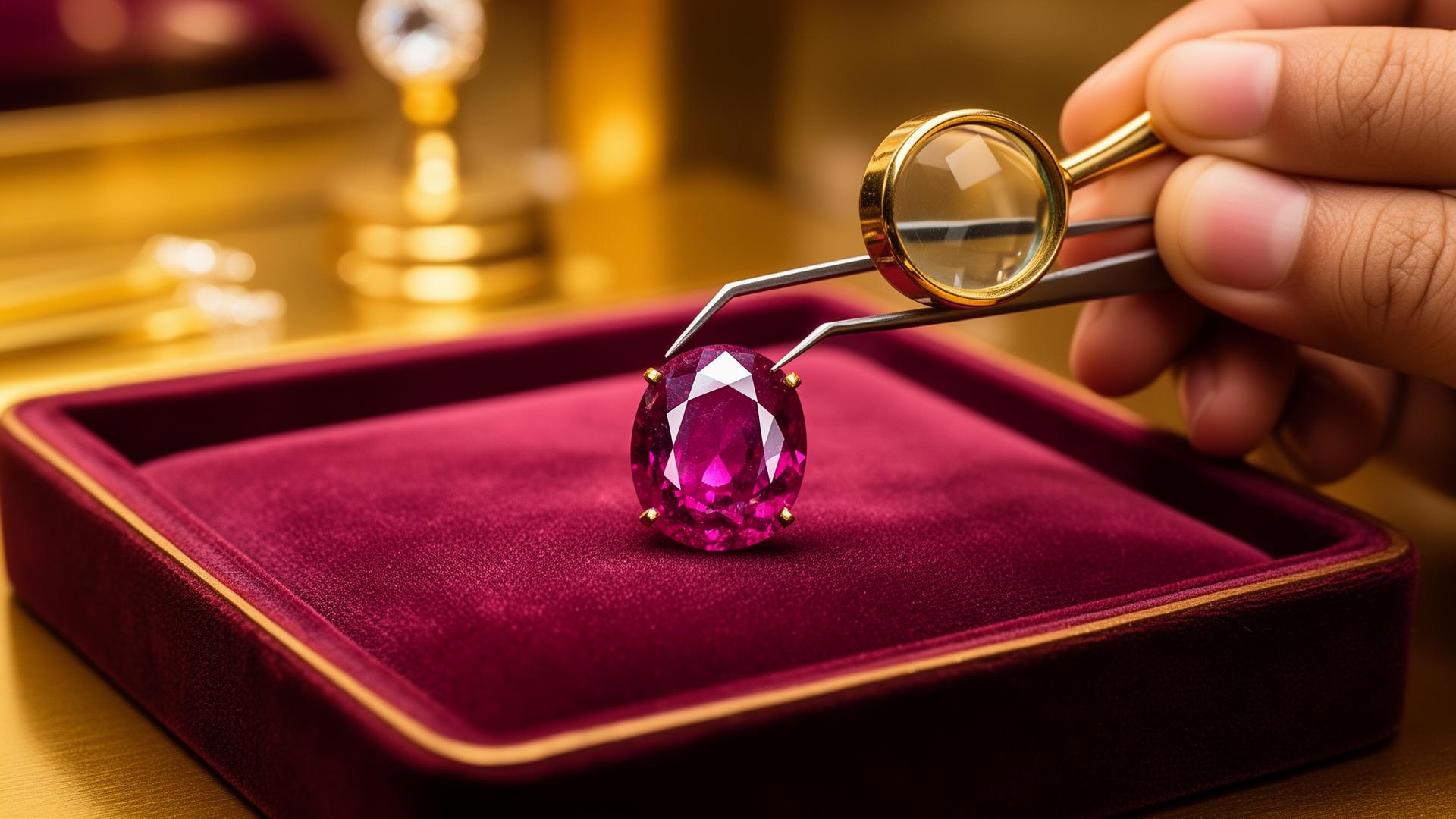
Tanzanite offers one of the best value propositions in colored gemstones: vivid violet-blue color, excellent clarity, large available sizes, and an investment-worthy scarcity story. Found in only one location on Earth near Mount Kilimanjaro, tanzanite's finite supply adds urgency to the buying decision. This guide helps you select the best tanzanite for your budget and purpose.
Color Is Everything
Tanzanite color determines 80%+ of value. The most desirable stones show a vivid, saturated violet-blue to blue-violet without gray or brown modifiers. Lighter stones (often called 'A' or 'AA' grade in the trade) are significantly less valuable than deeply saturated stones ('AAA'). Note that the AAA/AA/A system isn't an official standard — it's dealer shorthand. The trichroic nature of tanzanite means you'll see different colors from different angles (blue, violet, burgundy). The best stones show strong blue and violet with minimal burgundy. View in daylight for the truest color assessment. GemstoneAI can help you evaluate tanzanite color saturation objectively.

Size Strategy for Best Value
Unlike rubies and sapphires, tanzanite is available in larger sizes at moderate per-carat premiums. This means you can make a real statement with tanzanite. For jewelry, 2-5 carat tanzanites offer the best balance of impact and value. For collection or investment, target 5ct+ with top color. Under 1 carat, tanzanite may not show its best color potential — the stone needs some depth to display vivid saturation. For engagement rings (tanzanite is softer than sapphire, so a protective setting is essential), 1-3ct provides excellent visual presence.
- Under 1ct: Often lacks depth for full color saturation — best for accent stones
- 1-3ct: Great for rings and pendants — sweet spot for personal jewelry
- 3-5ct: Statement pieces — excellent value per carat with strong color
- 5ct+: Collector and investment grade — if color is top quality
- 10ct+: Rare at top color — strong appreciation potential
Durability Considerations
Tanzanite (6-7 Mohs hardness) is softer than sapphire or ruby and has one direction of perfect cleavage, making it more vulnerable to impact. For rings, use protective settings (bezel or substantial prong settings) and understand that tanzanite rings aren't ideal for rough daily wear. Tanzanite is perfect for pendants, earrings, and occasional-wear rings. Avoid ultrasonic cleaners and sudden temperature changes. With reasonable care, tanzanite jewelry will last a lifetime.
Tanzanite Buying Checklist
- 1Target vivid violet-blue color without gray or brown modifiers
- 2Choose stones 2ct+ for best color expression
- 3Understand tanzanite's softness (6-7 Mohs) — choose protective settings for rings
- 4Verify heat treatment disclosure (universally accepted for tanzanite)
- 5Buy from reputable colored gemstone dealers
- 6Consider the finite supply investment thesis for 5ct+ stones
- 7Inspect in daylight for truest color assessment
- 8Budget 10-20% above stone cost for quality setting
Verify Before You Buy
Scan any tanzanite with GemstoneAI before purchasing. Get instant identification and quality assessment.
Try GemstoneAI Free