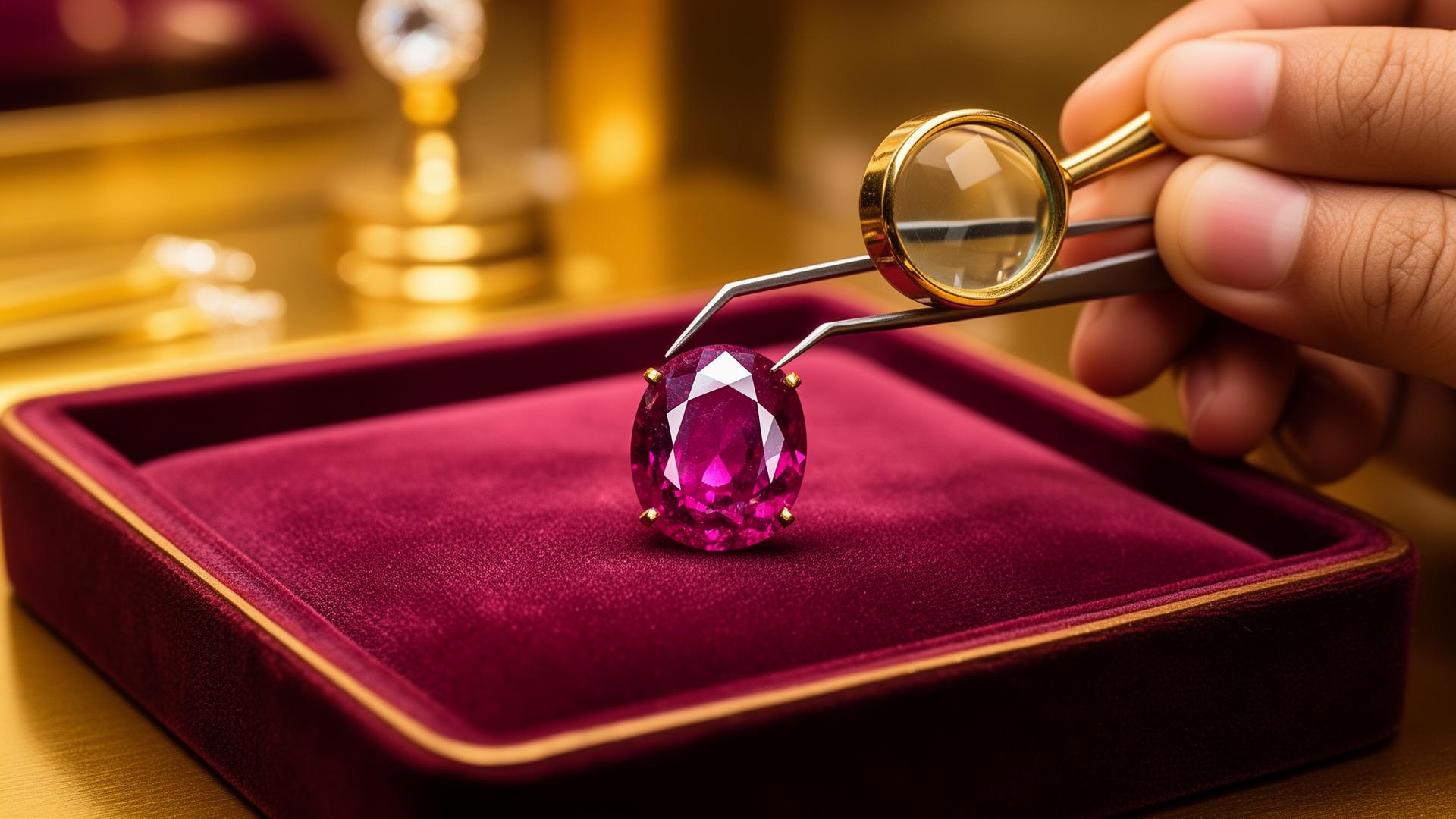
Buying an emerald requires a different mindset than buying a diamond or sapphire. Inclusions are expected and even welcomed as proof of natural origin. Color is paramount above all other factors. Nearly every emerald has been oiled, and the degree matters enormously for value. This guide will help you navigate the unique emerald market with confidence, whether you're buying for jewelry, collection, or investment.
Embrace the Jardin
The single biggest mistake new emerald buyers make is expecting diamond-like clarity. Natural emeralds almost always contain inclusions — internal fractures, mineral crystals, and growth patterns collectively called 'jardin' (French for garden). An eye-clean emerald with fine color is exceptional and priced accordingly. For most buyers, the goal should be an emerald where inclusions don't significantly distract from the stone's beauty or compromise its durability. Avoid emeralds with surface-reaching fractures near the girdle — these can make the stone vulnerable to chipping with normal wear.

Color First, Always
When evaluating emeralds, train yourself to see color before clarity. The finest emerald color is a vivid, saturated green with slight bluish undertones and medium tone — not too dark, not too light. Colombian emeralds tend toward warm, slightly yellowish-green. Zambian emeralds show cooler, bluish-green tones. Both can be magnificent — it's a matter of personal preference. Avoid stones that appear too dark (color gets 'swallowed'), too light (not enough saturation to qualify as emerald vs. green beryl), or with significant brown or gray modifiers. GemstoneAI can objectively analyze emerald color from photos.
- View in daylight — emeralds look best in natural light
- Check for even color distribution across the stone
- Ideal: vivid green, medium tone, slight blue undertone
- Avoid: dark-to-black, washed-out, brownish, or grayish tones
- Colombian = warmer green; Zambian = cooler green — both are excellent
Understanding Emerald Enhancement
Nearly all emeralds are enhanced with oil or resin to improve clarity. Cedar oil has been used for centuries and is widely accepted. Modern synthetic resins (like Opticon) are less traditional. The key is the DEGREE of enhancement — certified as None, Insignificant, Minor, Moderate, or Significant by labs like Gübelin and SSEF. 'None' commands massive premiums (3-10x over 'Moderate'). For jewelry purposes, 'Minor' enhancement offers the best value — these stones look excellent and are priced reasonably. Avoid 'Significant' enhancement unless budget is the primary concern, as heavily oiled emeralds may need re-oiling over time.
Colombian vs Zambian: The Choice
For most buyers, the choice between Colombian and Zambian emeralds comes down to color preference and budget. Colombian emeralds (especially Muzo and Chivor) carry prestige premiums of 20-50%. They're characterized by a warm, slightly yellowish-green that many consider the classic emerald color. Zambian emeralds (primarily from Kagem mine) often have better clarity and show a cooler, bluish-green. Per carat, you'll typically get a larger or higher-quality Zambian emerald for the same price as a Colombian stone. Both are equally 'real' and beautiful — origin is about preference, not quality.
Emerald Care and Durability
Emeralds rate 7.5-8 on the Mohs hardness scale but their included nature makes them more vulnerable to impact than their hardness suggests. For engagement rings, choose a protective setting (bezel or halo) and understand that emeralds require more care than diamonds or sapphires. Avoid ultrasonic cleaners, harsh chemicals, and sudden temperature changes. Clean with warm soapy water and a soft brush. Re-oiling may be needed every few years for enhanced stones. Despite these considerations, emeralds have been worn as jewelry for thousands of years with proper care.
Emerald Buying Checklist
- 1Prioritize color over clarity — vivid green is the goal
- 2Accept inclusions as natural — focus on overall beauty impact
- 3Determine acceptable enhancement level (Minor is the sweet spot)
- 4Get certification from Gübelin or SSEF for stones over $2,000
- 5Decide between Colombian (warm green) and Zambian (cool green)
- 6For rings: choose protective settings (bezel, halo)
- 7Ask about care requirements and re-oiling schedule
- 8Compare similar quality stones from multiple sources
Verify Before You Buy
Scan any emerald with GemstoneAI before purchasing. Get instant identification and quality assessment.
Try GemstoneAI Free