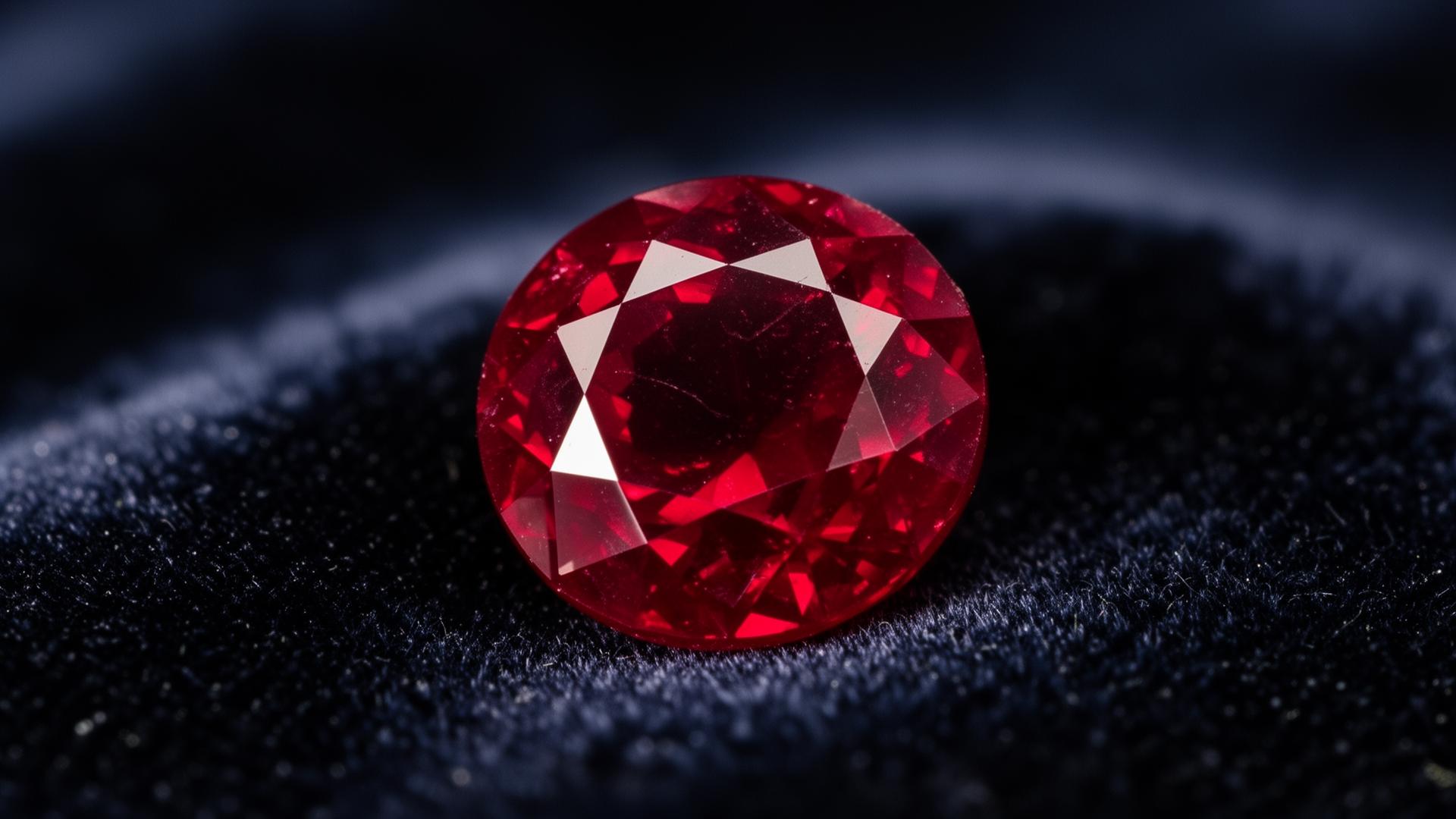
Opals are nature's kaleidoscopes — no two are alike. The mesmerizing play-of-color that dances across a fine opal's surface makes it one of the most enchanting gemstones in existence. From Australian black opals worth thousands per carat to affordable Ethiopian gems, the opal market spans a huge range. Understanding how to identify genuine, untreated opals versus synthetics, doublets, and treated stones is essential for any buyer navigating this colorful market.
Quick Facts: Opal
Understanding Play-of-Color
Opal's signature phenomenon — play-of-color — is caused by light diffracting through orderly arrays of microscopic silica spheres within the stone. The size of these spheres determines which colors you see: smaller spheres produce blues and greens, while larger spheres create the rarer and more valuable reds and oranges. When evaluating play-of-color, consider brightness (intensity of the color flashes), pattern (how the colors are arranged), and color range (the full spectrum visible). The most valuable opals display vivid red play-of-color across the entire face in a desirable pattern. GemstoneAI can help you capture and analyze play-of-color patterns under consistent conditions, making it easier to compare stones from different sellers.

Identifying Opal Types
Understanding the different types of natural opal is crucial for proper identification and valuation:
- Black opal — dark body tone with vivid play-of-color; primarily from Lightning Ridge, Australia; most valuable type
- White/light opal — light body tone; from Coober Pedy, Australia; common and affordable
- Crystal opal — transparent to semi-transparent body with play-of-color; can be any body tone
- Boulder opal — ironstone matrix attached naturally; from Queensland, Australia; unique patterns
- Fire opal — transparent orange-to-red body color, from Mexico; may or may not show play-of-color
- Ethiopian (Welo) opal — hydrophane type that absorbs water; vivid play-of-color but can be unstable

Spotting Opal Doublets and Triplets
Composite opals are assembled stones designed to look like solid, valuable black opals at a fraction of the cost. An opal doublet consists of a thin slice of natural opal glued to a dark backing (usually black potch opal, ironstone, or black glass). An opal triplet adds a clear dome (usually quartz or glass) on top for protection. To identify composites: view the stone from the side — you'll see a visible seam line and distinct layers. When immersed in water, the layers become very obvious. Doublets and triplets should never be submerged in water long-term, as moisture can penetrate the glue layer and cause clouding.
Synthetic Opal Detection
Synthetic (lab-created) opals, most notably Gilson opals, can display impressive play-of-color but have telltale features:
- Columnar or 'lizard skin' pattern — synthetic opal's silica spheres are arranged in columns, creating a distinctive mosaic pattern under magnification
- Too-regular pattern — natural opals have organic, flowing patterns; synthetics appear more geometric
- Uniform body color — synthetics lack the subtle color variations and potch found in natural stones
- Under magnification — you may see a chicken-wire or snakeskin pattern that is never seen in natural opal
- Price — synthetic opals are worth a fraction of natural stones of similar appearance
Treatments and Enhancements
Several treatments are used to enhance opal appearance. Smoke treatment (common for Ethiopian opals) darkens the body tone by introducing carbon particles, creating a black opal appearance — this can fade over time. Sugar-acid treatment involves soaking in sugar solution followed by acid to carbonize the sugar within pores. Polymer impregnation stabilizes porous opals (especially Ethiopian) to reduce water sensitivity. Dye treatment can add artificial color but is detectable under magnification. Heat treatment can improve play-of-color in some Ethiopian opals but may cause cracking.
Caring for Natural Opals
Natural opals contain 3–21% water and are sensitive to extreme conditions. Australian opals are generally stable but should be protected from sudden temperature changes. Ethiopian (hydrophane) opals are particularly vulnerable to water — they absorb moisture, turning translucent and temporarily losing play-of-color. Never expose opals to ultrasonic or steam cleaners. Store opals in a slightly humid environment (avoid airtight containers in dry climates). With proper care, quality Australian opals will last generations without deterioration.
Identify Your Opal Instantly
Skip the guesswork. Use GemstoneAI's advanced image recognition to authenticate your opal in seconds.
Try GemstoneAI Free