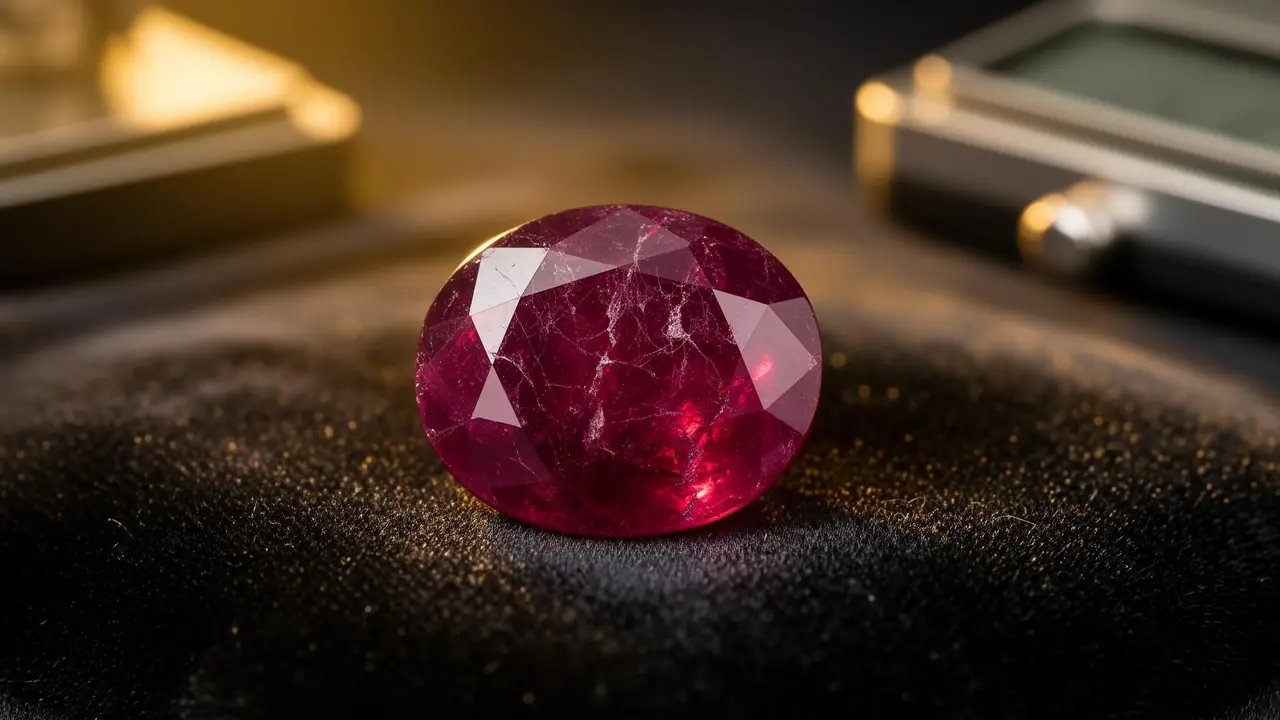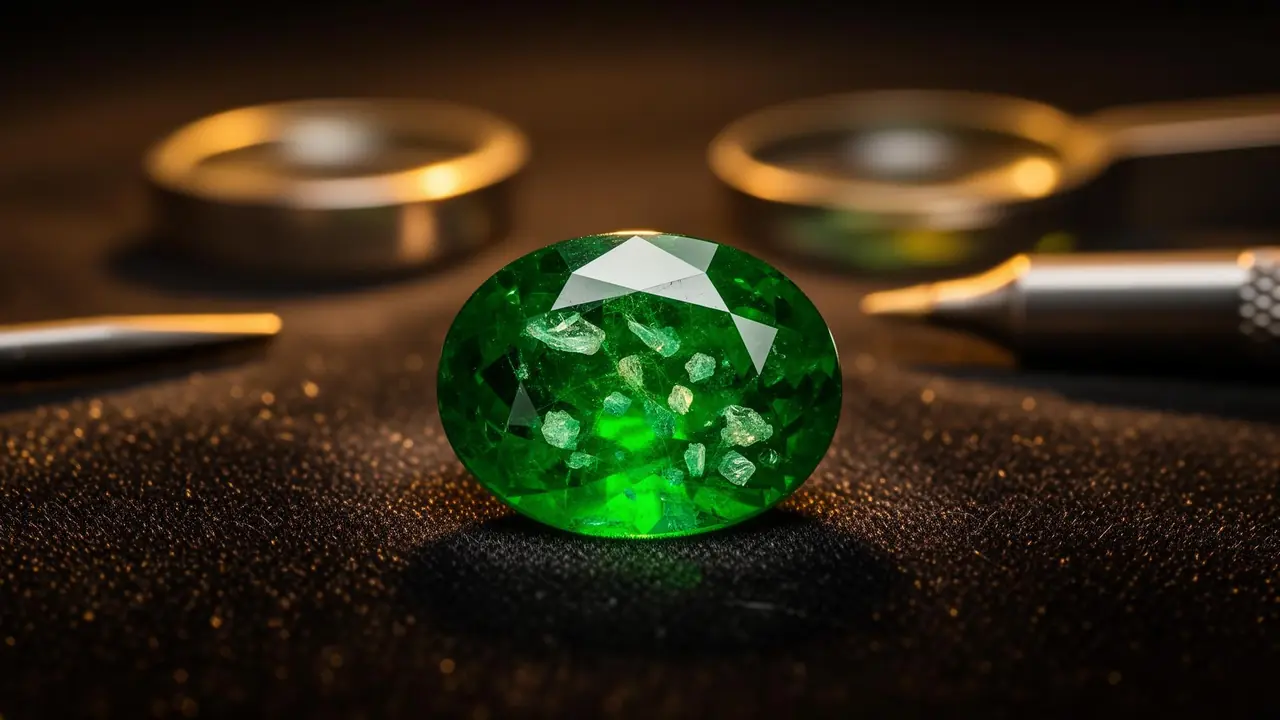
Peridot is the gem form of olivine, always some shade of green. Small stones are inexpensive, but price per carat climbs quickly with size because large clean peridot is scarce. Most jewelry peridot costs $20–$150 per carat, while fine stones over 10 carats from Pakistan or Myanmar can reach several hundred dollars per carat.
Peridot Price Chart
| Quality | Price/Carat | Notes |
|---|---|---|
| Small, yellow-green (under 1 ct) | $20–$60 | Commercial jewelry |
| Good green, 1–3 ct | $60–$150 | Standard fine jewelry |
| Fine green, 3–10 ct | $150–$400 | Clean, saturated |
| Top color, over 10 ct | $400–$1,000+ | Pakistan / Myanmar |
Color and Size
The most valued color is a pure, saturated grass green with little brown or yellow. Yellow-green and brownish green cost less. Size has a strong effect: stones under 1 carat are common, while clean stones over 5 carats are rare enough to cost several times more per carat. Peridot is almost never treated. GemstoneAI provides directional value guidance. A photo cannot measure carat weight accurately; a scale or professional measurement is needed for a reliable figure.
Origins
Arizona's San Carlos reservation produces much of the world's small commercial peridot. Pakistan (Kashmir) yields large, vivid stones that command premiums, and Myanmar is known for fine large material. China, Vietnam and Tanzania also produce peridot. Small disc-shaped 'lily pad' inclusions are typical and help identify it.
Peridot Look-Alikes
Green glass, green tourmaline, chrome diopside and synthetic spinel can resemble peridot. Peridot shows strong double refraction, so the back facet edges seen through the top of the stone often look doubled under a loupe.
Get an Instant Peridot Valuation
Upload a photo and let GemstoneAI estimate your peridot's value using AI-powered analysis.
Try GemstoneAI Free